
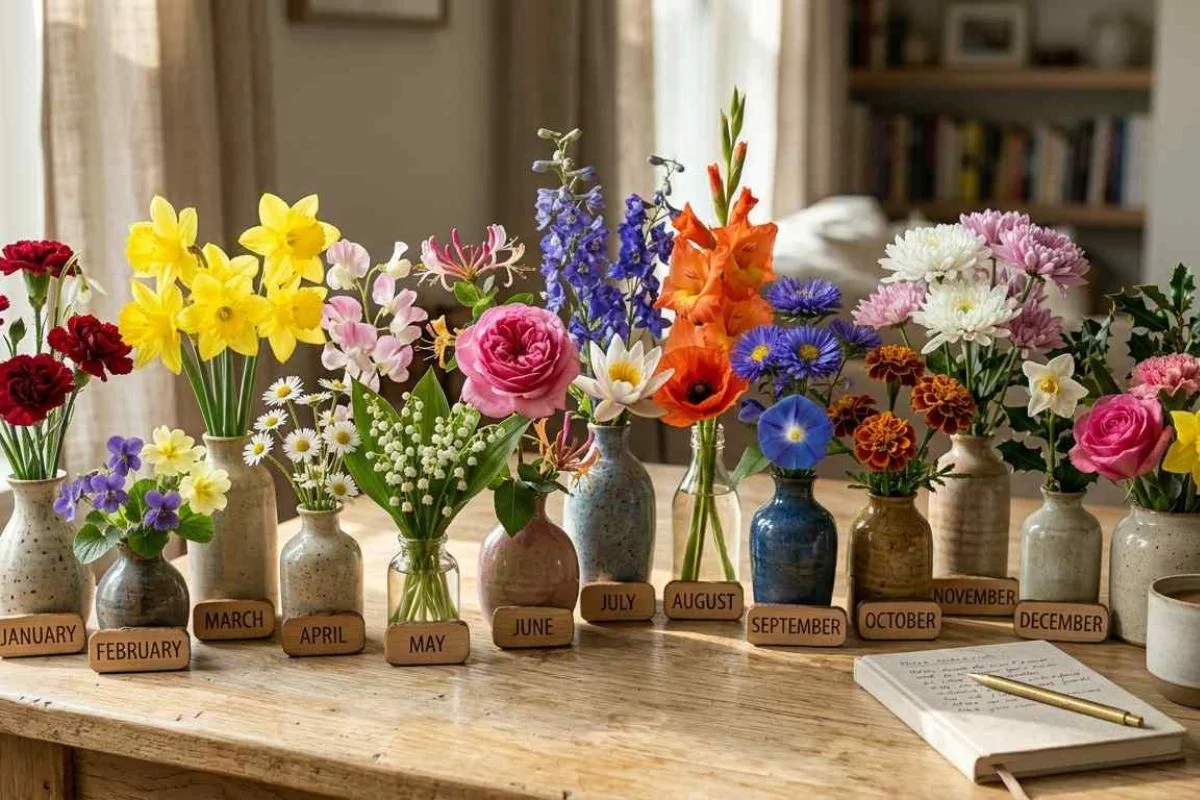
Birth month flowers are a classic way to connect personality, symbolism and natural beauty. Like birthstones, every month of the year has one or two flowers associated with it, with meanings rooted in history, culture and the seasons.
At Lavish Lifestyle Magazine we believe details matter, especially in meaningful gifting. A birth flower is more than decoration: it can express identity, emotion and taste. Whether you are choosing a gift, ordering a luxury bouquet or simply curious about what each flower means, this guide covers all 12 months.
Quick answer: Your birth flower depends on your birth month: January carnation or snowdrop, February violet or primrose, March daffodil, April daisy or sweet pea, May lily of the valley or hawthorn, June rose or honeysuckle, July larkspur or water lily, August gladiolus or poppy, September aster or morning glory, October marigold or cosmos, November chrysanthemum, and December narcissus or holly. The table below adds each flower’s meaning and matching birthstone.
Birth Month Flowers at a Glance
| Month | Birth flowers | Meaning | Matching birthstone |
|---|---|---|---|
| January | Carnation, Snowdrop | Love and devotion; hope and renewal | Garnet |
| February | Violet, Primrose | Loyalty and humility; young love | Amethyst |
| March | Daffodil | Renewal and fresh starts | Aquamarine |
| April | Daisy, Sweet Pea | Innocence and true love; gratitude | Diamond |
| May | Lily of the Valley, Hawthorn | Humility and happiness; hope and protection | Emerald |
| June | Rose, Honeysuckle | Love and passion; devotion | Pearl |
| July | Larkspur, Water Lily | Positivity; peace and purity | Ruby |
| August | Gladiolus, Poppy | Courage and integrity; imagination and remembrance | Peridot |
| September | Aster, Morning Glory | Love and patience; appreciation | Sapphire |
| October | Marigold, Cosmos | Passion and positivity; balance and harmony | Opal |
| November | Chrysanthemum | Friendship, happiness and long life | Topaz |
| December | Narcissus, Holly | Hope and prosperity; protection and holiday spirit | Turquoise |
Birthstones shown are the commonly listed modern stones; traditions differ between countries and cultures. Learn more about birthstones.
What Are Birth Month Flowers?
Birth month flowers are flowers assigned to each month of the year. Each one is associated with particular emotions, personality traits and life themes, and they are usually chosen for their seasonal availability and cultural meanings.
Historical Origin of Birth Flowers
The idea of giving flowers meaning goes back to ancient European and Roman traditions, when flowers were believed to carry spiritual significance and emotional messages. Over time these associations grew into a system that pairs certain flowers with each month.
During the Victorian era, floriography, or the language of flowers, became hugely popular. It allowed people to express their feelings through carefully arranged bouquets.
Why Each Month Has Different Flowers
Each month has its own flowers because of natural seasonal cycles. Flowers bloom at particular times of the year, so each bloom became linked to its month. For example:
- Spring flowers represent renewal and growth
- Summer flowers symbolize love and vitality
- Autumn flowers reflect warmth and maturity
- Winter flowers convey hope and resilience
How Birth Flowers Are Used Today
Today, birth month flowers are widely used in luxury and lifestyle settings, including:
- Premium floral arrangements
- Personalized jewelry and engravings
- Fine art and interior decor
- Tattoo designs and personal branding
They add a refined, personal touch that elevates both gifts and experiences.
Birth Month Flowers by Month (January to December)
1. January Birth Flowers: Carnation & Snowdrop
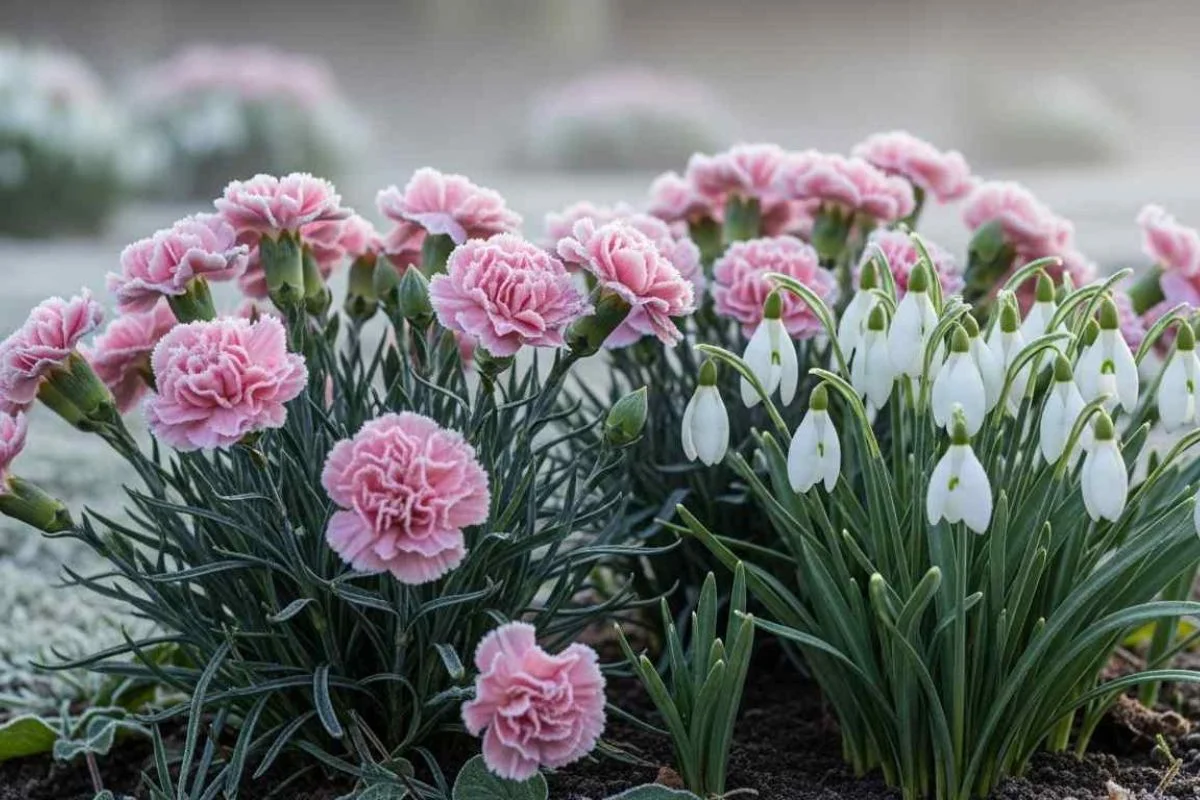
January introduces flowers that symbolize strength and emotional depth during winter.
- Carnation: A symbol of love, admiration, and devotion. In luxury arrangements, deep red carnations represent passion, while white signifies purity and elegance.
- Snowdrop: A delicate bloom representing hope, renewal, and quiet strength.
Luxury Tip: Pair carnations with neutral-toned roses for a sophisticated winter bouquet.
2. February Birth Flowers: Violet & Primrose

February flowers reflect romance, sincerity, and emotional warmth.
- Violet: Represents loyalty, faithfulness, and humility.
- Primrose: Symbolizes young love and new beginnings.
Luxury Tip: Use violet tones in floral designs to create a soft, romantic aesthetic.
3. March Birth Flowers: Daffodil
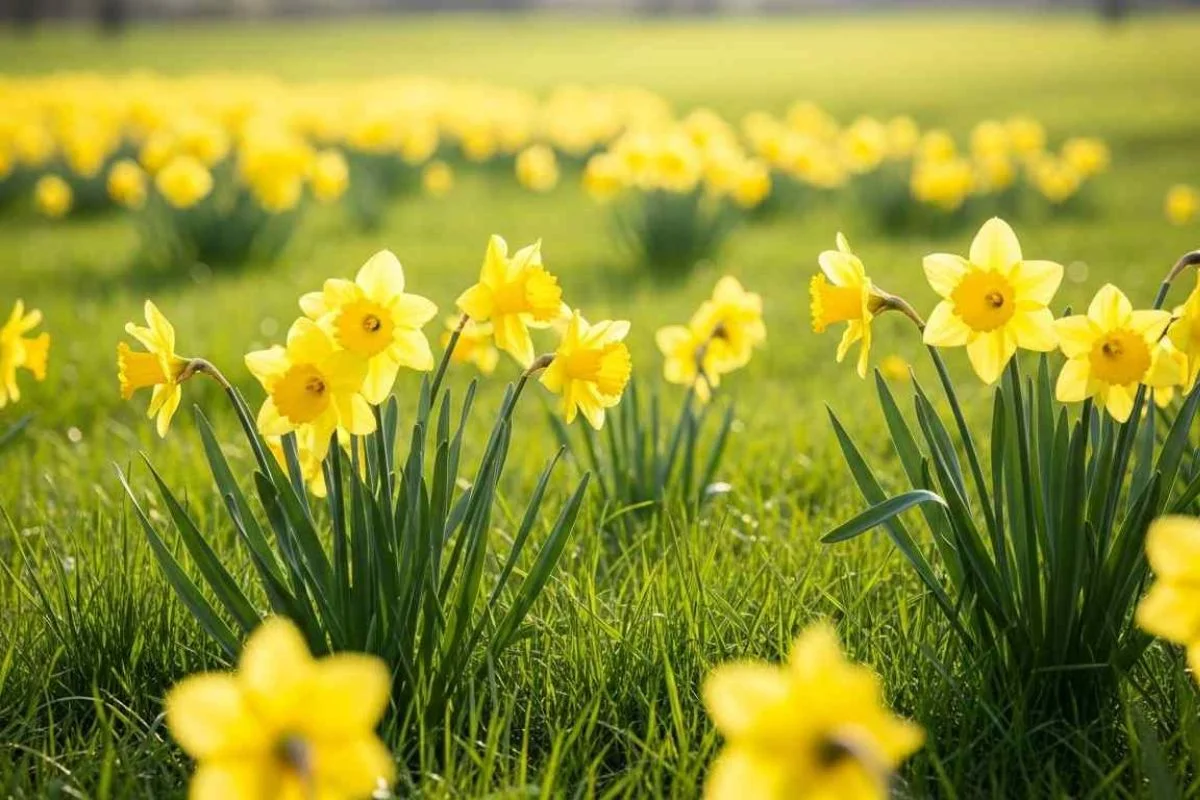
March is defined by the bright and uplifting daffodil.
- Daffodil: A symbol of renewal, positivity, and fresh starts.
Luxury Tip: Yellow daffodils paired with white tulips create a fresh spring-inspired arrangement.
4. April Birth Flowers: Daisy & Sweet Pea
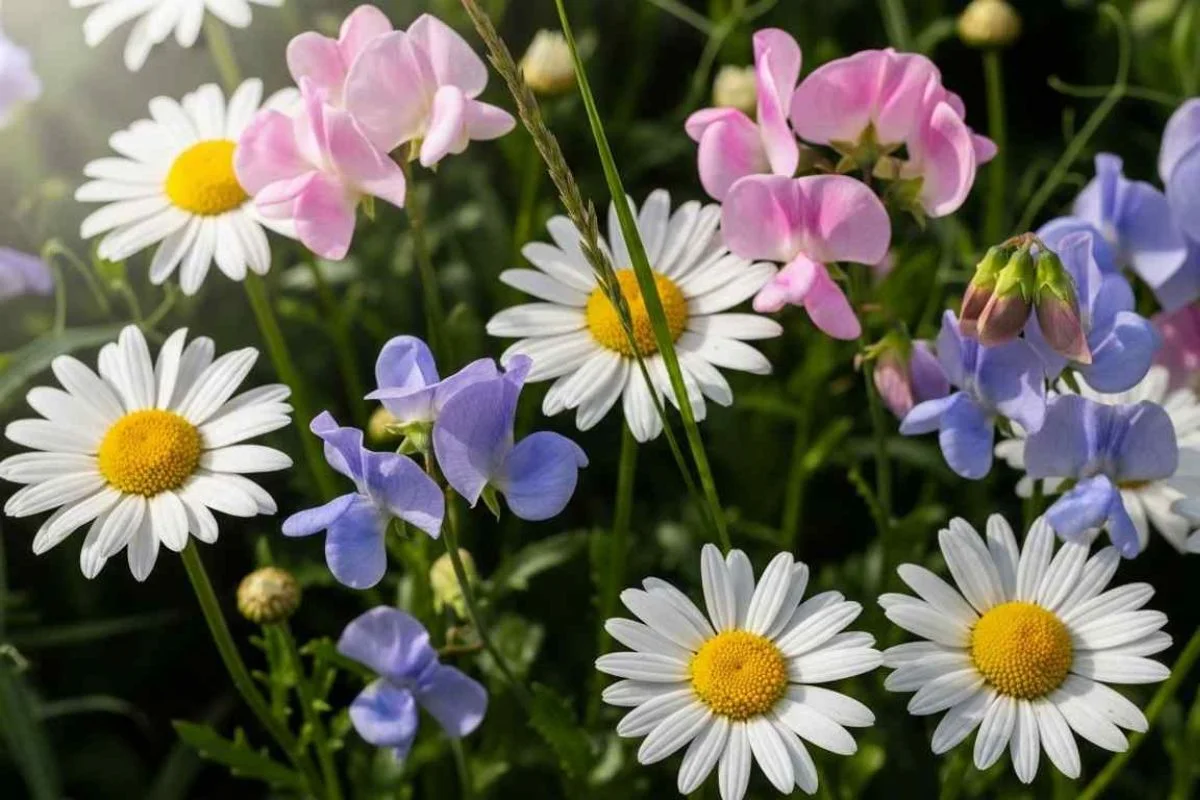
April flowers capture the essence of purity and gentle beauty.
- Daisy: Represents innocence and true love.
- Sweet Pea: Symbolizes gratitude and delicate pleasure.
Luxury Tip: Soft pastel arrangements enhance the elegance of April flowers.
5. May Birth Flowers: Lily of the Valley & Hawthorn

May flowers are known for their delicate charm and sophistication.
- Lily of the Valley: Represents humility and happiness.
- Hawthorn: Symbolizes hope and protection.
Luxury Tip: Frequently used in bridal bouquets for a timeless and refined look.
6. June Birth Flowers: Rose & Honeysuckle
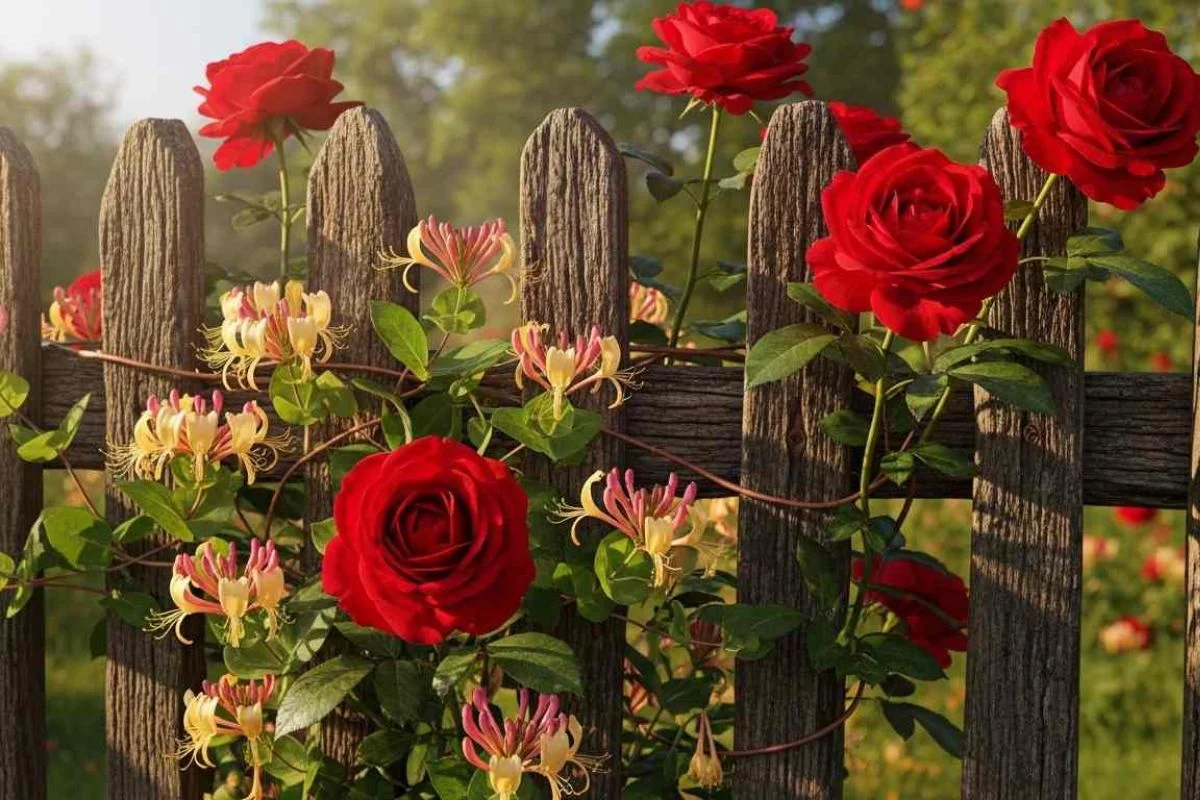
June is the epitome of romance and luxury.
- Rose: A universal symbol of love, passion, and beauty.
- Honeysuckle: Represents devotion and lasting bonds.
Luxury Tip: Premium rose arrangements are a staple in high-end gifting.
7. July Birth Flowers: Larkspur & Water Lily
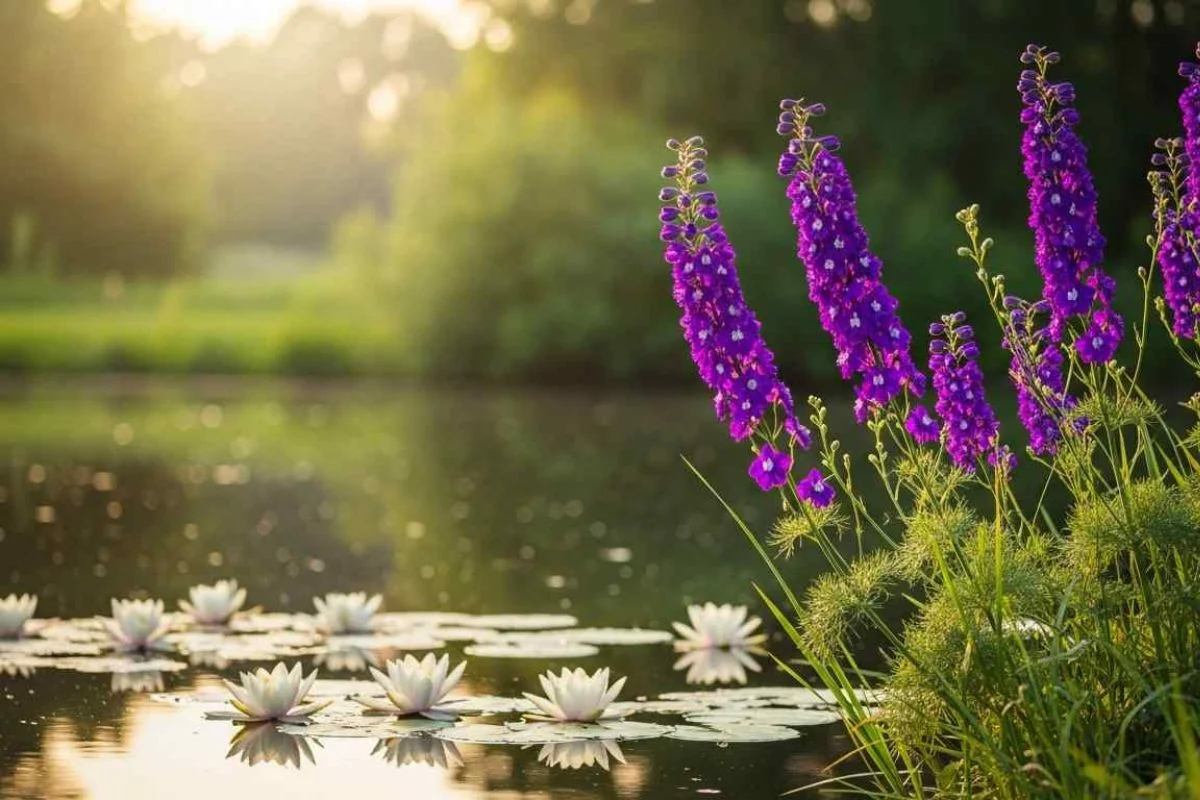
July flowers combine energy with tranquility.
- Larkspur: Symbolizes positivity and strong emotional connections.
- Water Lily: Represents peace, purity, and spiritual calm.
Luxury Tip: Incorporate water elements for a spa-like floral experience.
8. August Birth Flowers: Gladiolus & Poppy
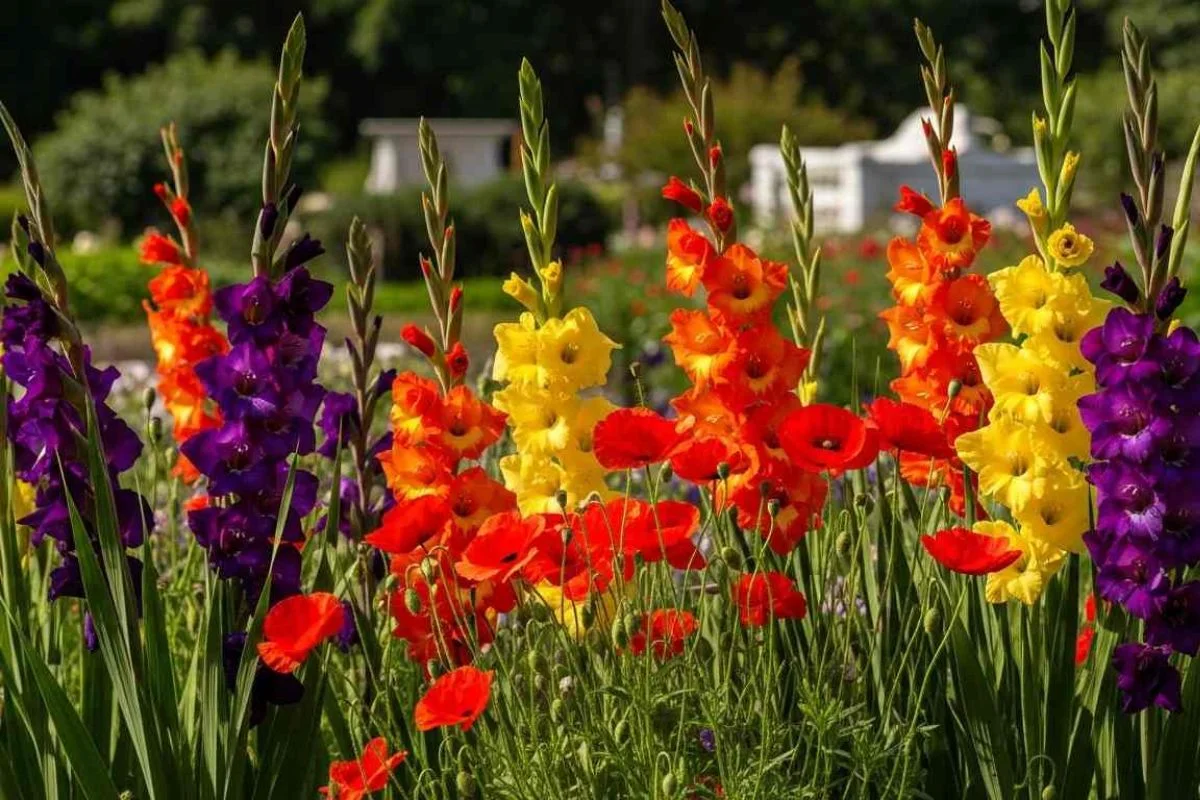
August flowers highlight strength and bold expression.
- Gladiolus: Represents courage and integrity.
- Poppy: Symbolizes imagination and remembrance.
Luxury Tip: Use bold colors to create statement floral arrangements.
9. September Birth Flowers: Aster & Morning Glory
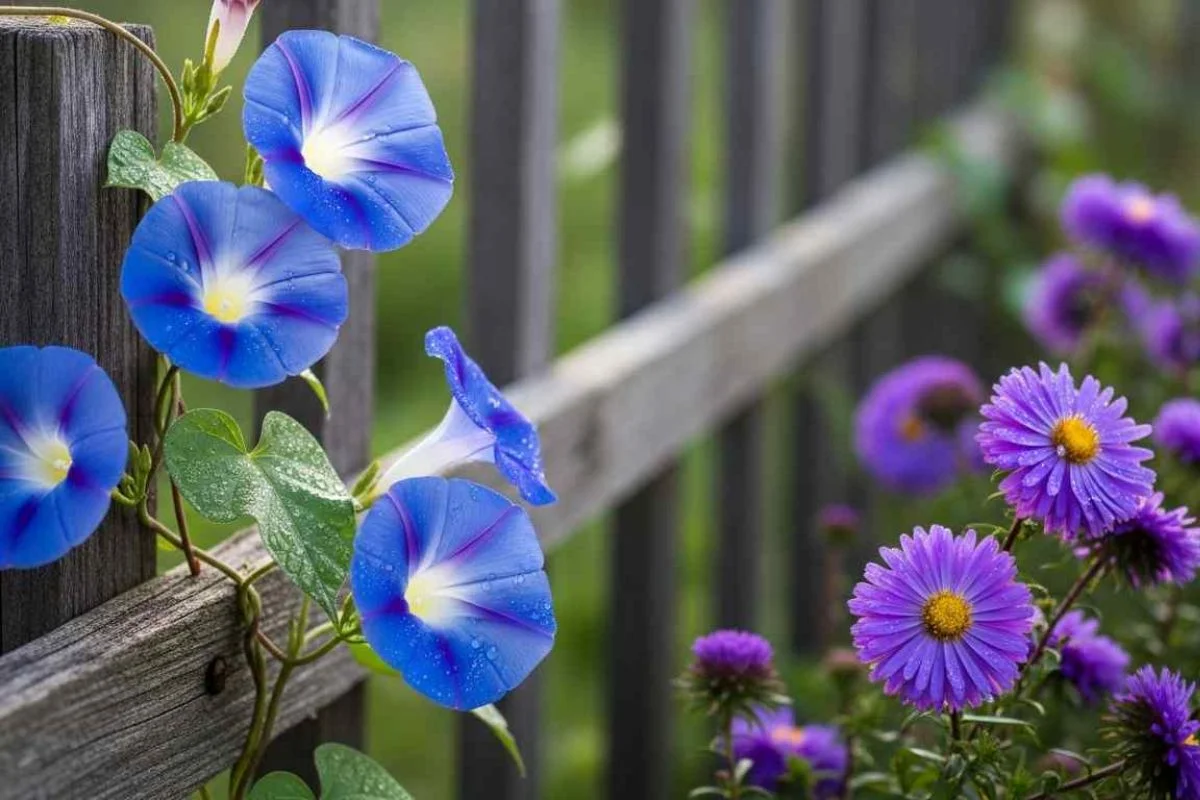
September blooms reflect wisdom and elegance.
- Aster: Symbolizes love and patience.
- Morning Glory: Represents appreciation and living in the moment.
Luxury Tip: Perfect for minimalist, modern floral styling.
10. October Birth Flowers: Marigold & Cosmos
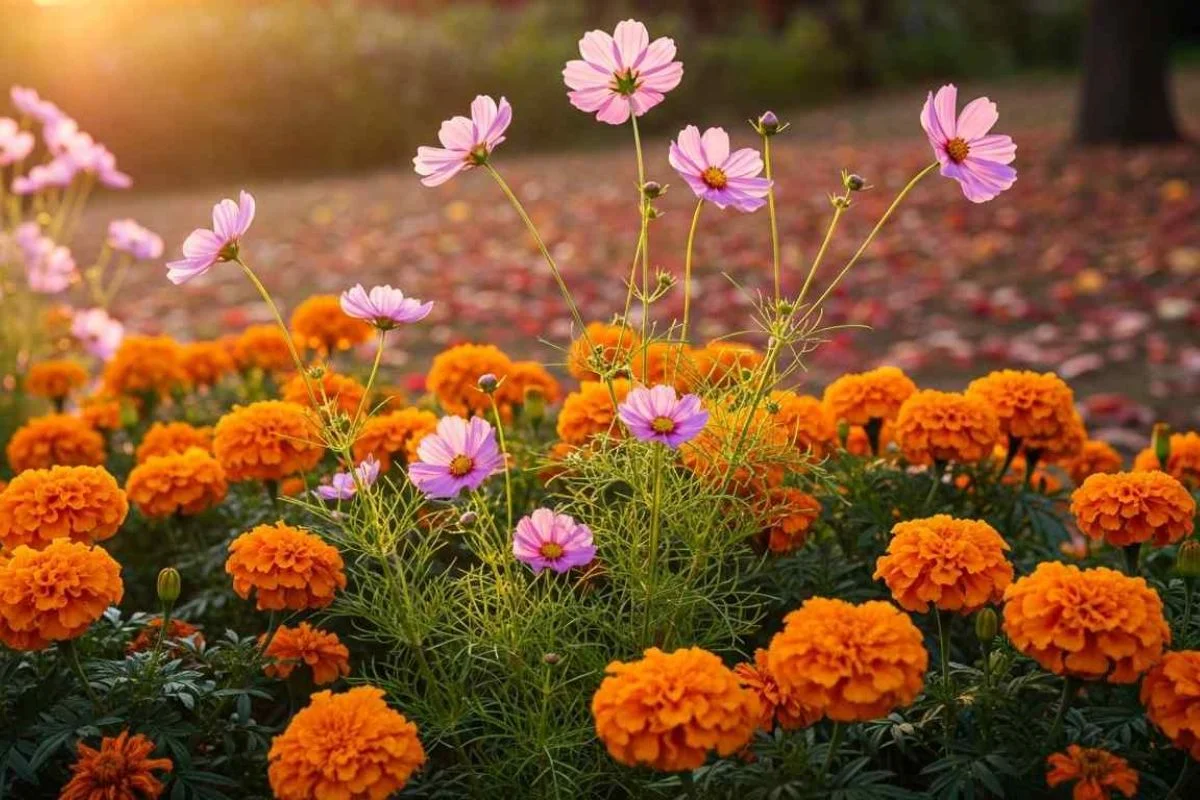
October flowers capture warmth and creativity.
- Marigold: Represents passion and positivity.
- Cosmos: Symbolizes balance and harmony.
Luxury Tip: Warm-toned arrangements enhance autumn interiors.
11. November Birth Flower: Chrysanthemum

November is represented by a flower full of joy and longevity.
- Chrysanthemum: Symbolizes friendship, happiness, and long life.
Luxury Tip: Ideal for elegant seasonal centerpieces.
12. December Birth Flowers: Narcissus & Holly
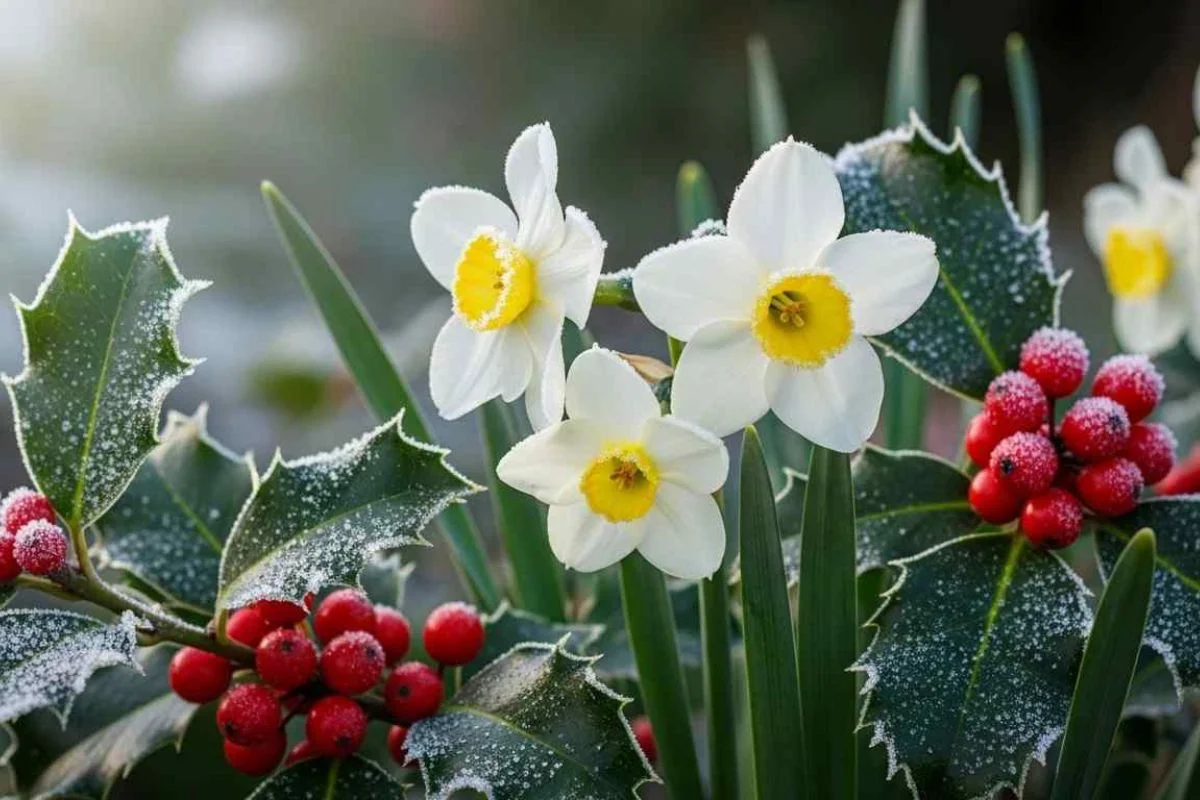
December flowers reflect festivity and celebration.
- Narcissus: Represents hope and prosperity.
- Holly: Symbolizes protection and holiday spirit.
Luxury Tip: Combine with gold accents for a festive luxury feel.
Why Birth Month Flowers Are Perfect for Luxury Gifting
Birth flowers offer a unique combination of beauty, symbolism, and personalization. They elevate gifting by making it:
- Thoughtful
- Meaningful
- Visually elegant
They are especially popular in:
- High-end floral design
- Personalized gifts
- Luxury lifestyle branding
Planning a gift? Pair a birth flower with a keepsake, such as the ideas in our luxury baby gift ideas, or bring seasonal blooms into your home with these modern luxury living room trends.
Final Thoughts
Birth month flowers combine nature, symbolism and refined taste. They are a beautiful way to express identity or to choose a gift that feels personal. At Lavish Lifestyle Magazine we love the small details that make everyday life special, and birth flowers are a perfect example.
Frequently Asked Questions (FAQs)
1. What are birth month flowers?
Birth month flowers are specific flowers associated with each month of the year, symbolizing traits and meanings linked to people born during that time.
2. What is my birth flower?
Find your birth month in the table above. For example, the birth flowers for June are the rose and honeysuckle, and for October they are the marigold and cosmos.
3. Can a month have more than one birth flower?
Yes. Many months have both a primary and a secondary birth flower because of different cultural traditions.
4. What is the difference between birth flowers and birthstones?
A birthstone is a gemstone linked to a month, while a birth flower is a flower linked to the same month. Both are popular in personalized gifts, and many people pair the two.
5. Are birth month flowers used in gifts?
Yes. Florists often create birthday bouquets using a person’s birth flower to make the gift more meaningful.
6. Why are birth flowers popular in luxury gifting?
They add a personal, meaningful and elegant touch to gifts.