
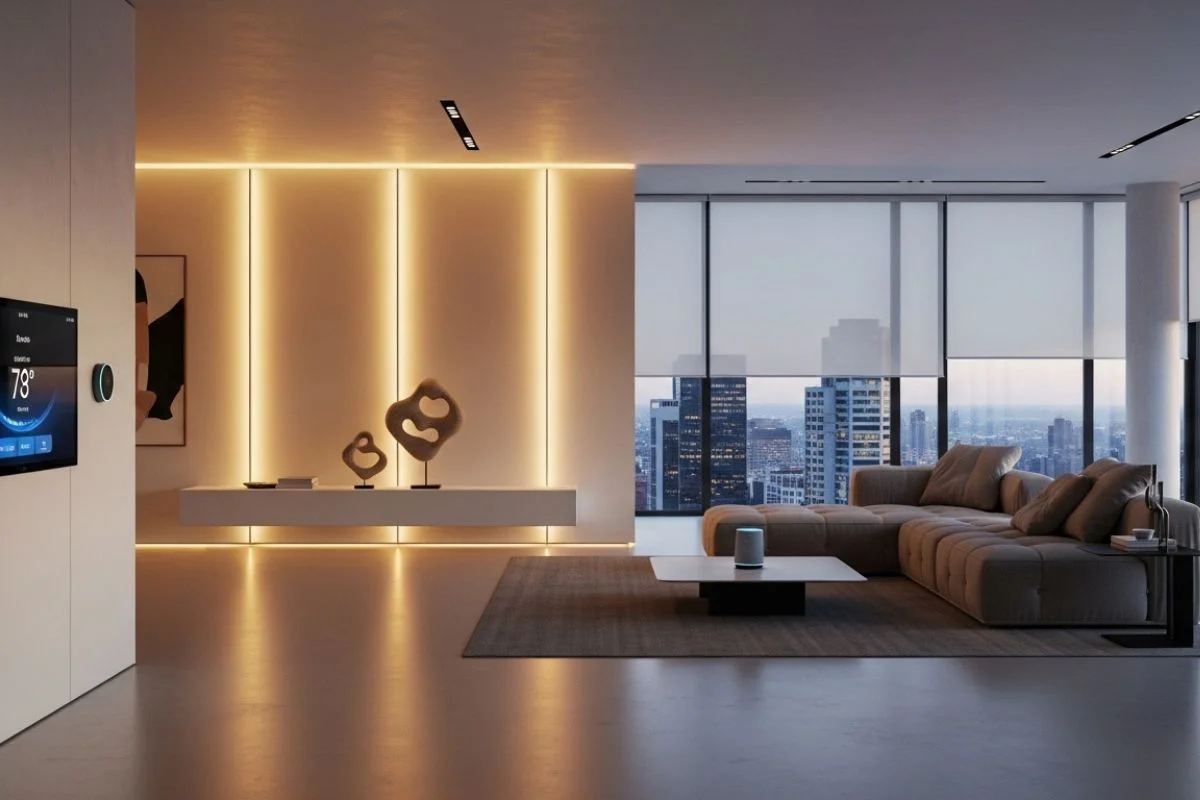
The way Smart Home Technology will change lives
The Smart home technology is fast changing the manner in which individuals live, work, and interact with their homes. Through the sophisticated technology that is intertwined with the internet, houses are becoming smarter, more efficient, and sensitive to human concerns. Smart home is developing a lifestyle that was previously seen as a dream in science fiction; some voice-controlled assistants, automated lighting and security systems, etc.
The demand of smart household gadgets has increased manifold in recent years. People can now remotely control their home equipments, monitor their security devices, and even control their power use using their smartphones or voice recognition. A study by Statista reported that there are an increasing number of smart homes across the globe with more and more households using connected gadgets.
This article elaborates how the smart home technology will change the life of humans, and redefine the future of the modern way of life.
1. Greater Convenience in Our Daily Life
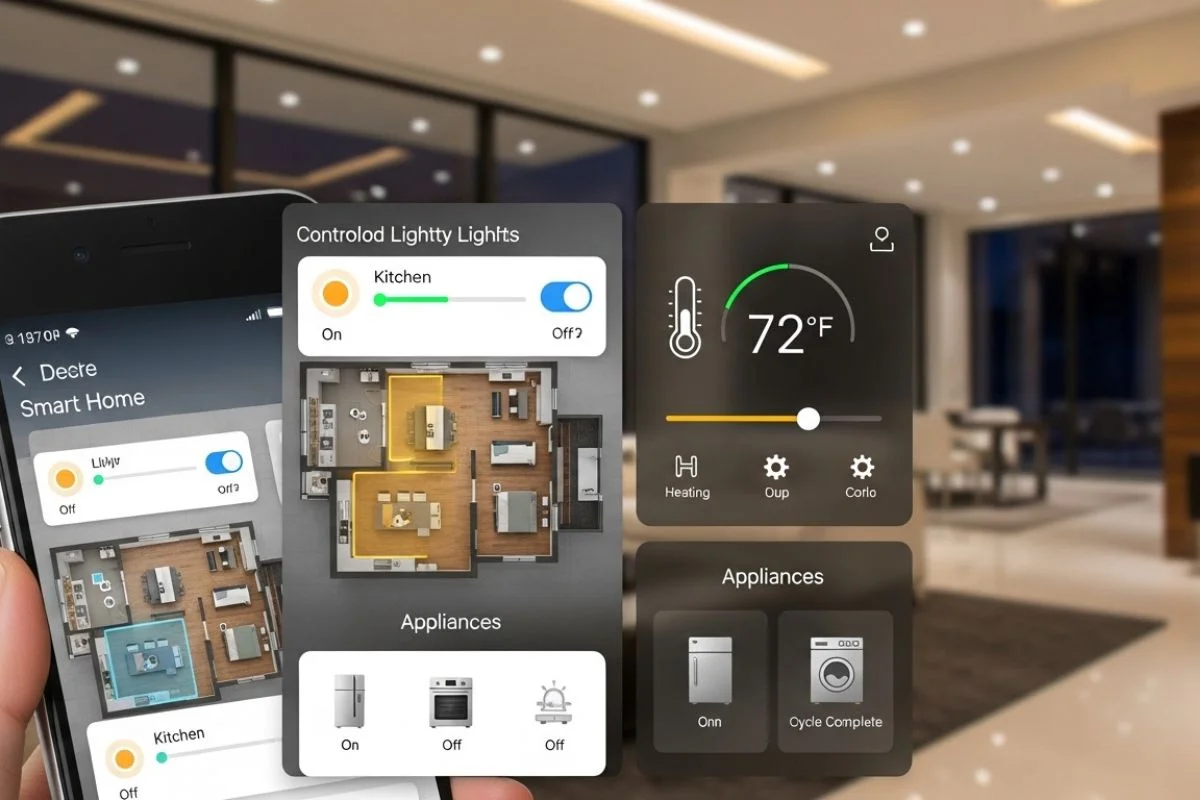
Convenience is one of the most visible ways smart home technology is transforming lives. Smart devices enable the owners of houses to manage different parts of their homes with little effort. We can now remotely turn on or turn off lights, adjust thermostats, entertainments and even the cooking devices with the help of mobile apps or voice commands.
You might wake up in the morning and have your coffee machine automatically brew, the curtains open to allow the sun to enter your house, and your favorite news or music on the smart speakers. Such automated procedures save time and minimize the effort needed in performing daily tasks.
Innovative smart homes tend to be a blend of beautiful interior design and automation. Most luxurious houses are designed with modern lighting systems and intelligent automation that are fitted in elegant interiors, in line with the current modern luxury living room trends.
2. Enhanced Home Security
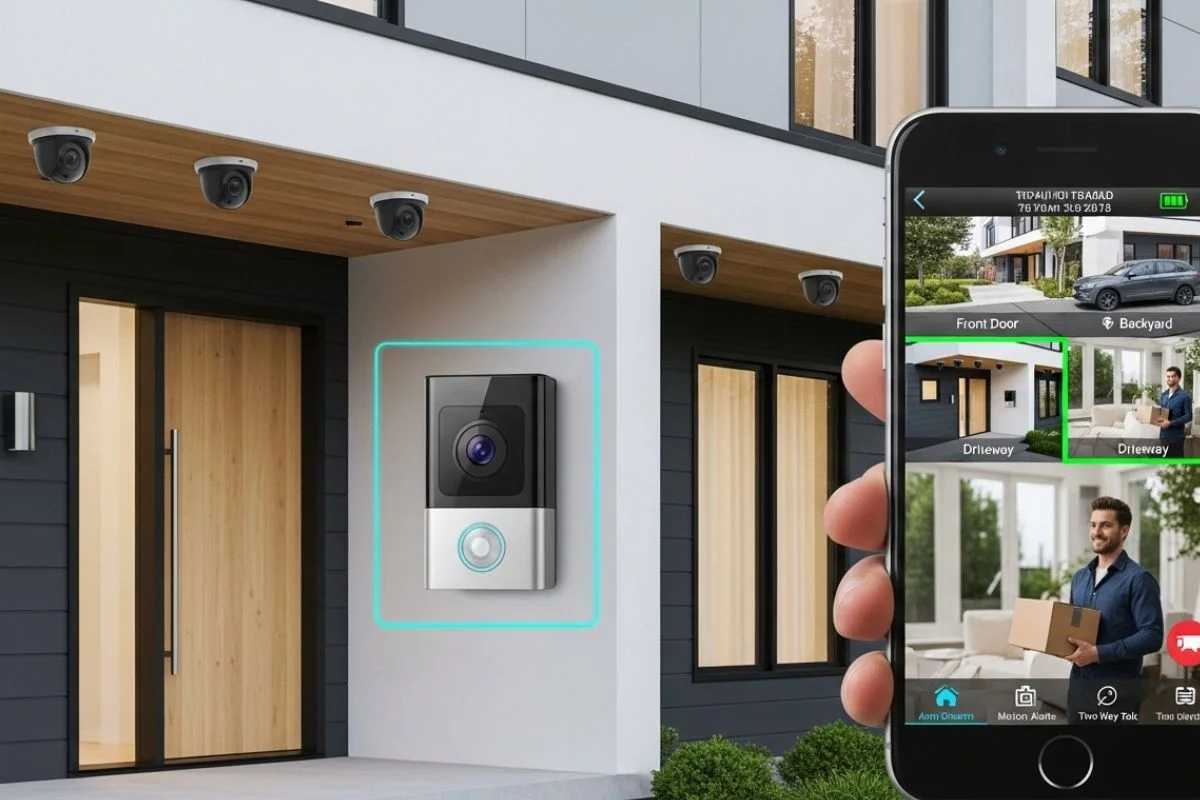
The other important field where smart home technology is transforming is security. The use of smart security systems enables homeowners to have more control and knowledge of their property. Smart cameras, motion sensors and video doorbells keep things so that one can easily see their homes in real time with regard to their location in the globe.
To illustrate this, the homeowners will be informed immediately in case any suspicious activity is detected. They can also watch live video recordings with their phones and even speak to their visitors through smart doorbells. This additional security feature brings peace of mind to people when they are at home or when they are out.
Popularity is also gaining on the smart locks. These locks enable the homeowner to be able to lock and unlock the door remotely or even offer a temporary access number to the visitors, delivery men, or housekeepers. With further development of technology, it is bound to make smart security systems even more advanced and more reliable.
3. Improved Energy Efficiency
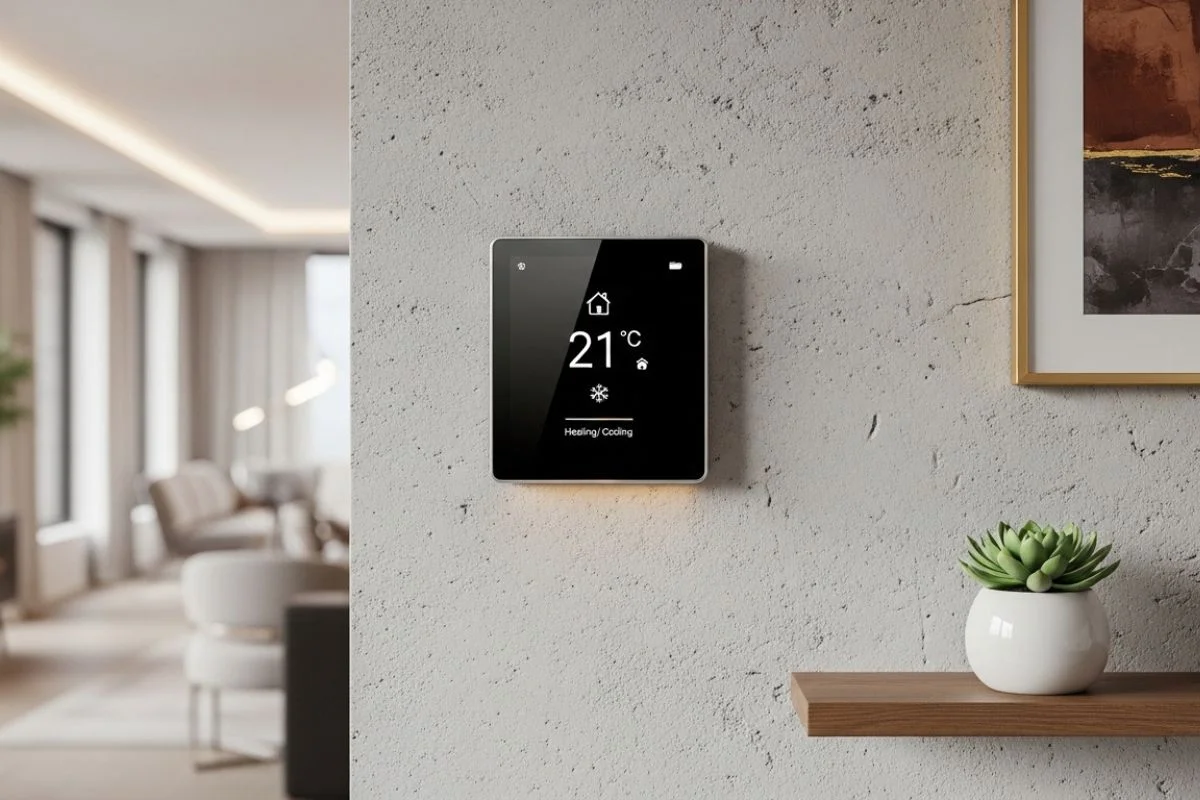
Energy efficiency is another major advantage of smart home technology. A variety of smart devices are meant to lower the energy consumption and assist the homeowner in better managing their electricity consumption.
In this case, smart thermostats, e.g., observe the daily routine of the members of a house and automatically regulate heating or cooling. This eliminates any form of unnecessary energy wastage in cases where no one is home. It is also possible to have smart lighting systems that either shut down lights when no one is in a room or control the brightness according to the amount of natural light.
Outdoor lighting can also be automated to enhance the aesthetic and energy saving in outdoor settings such as beautiful decking like luxury pallet decking.
4. Better Health and Well-Being
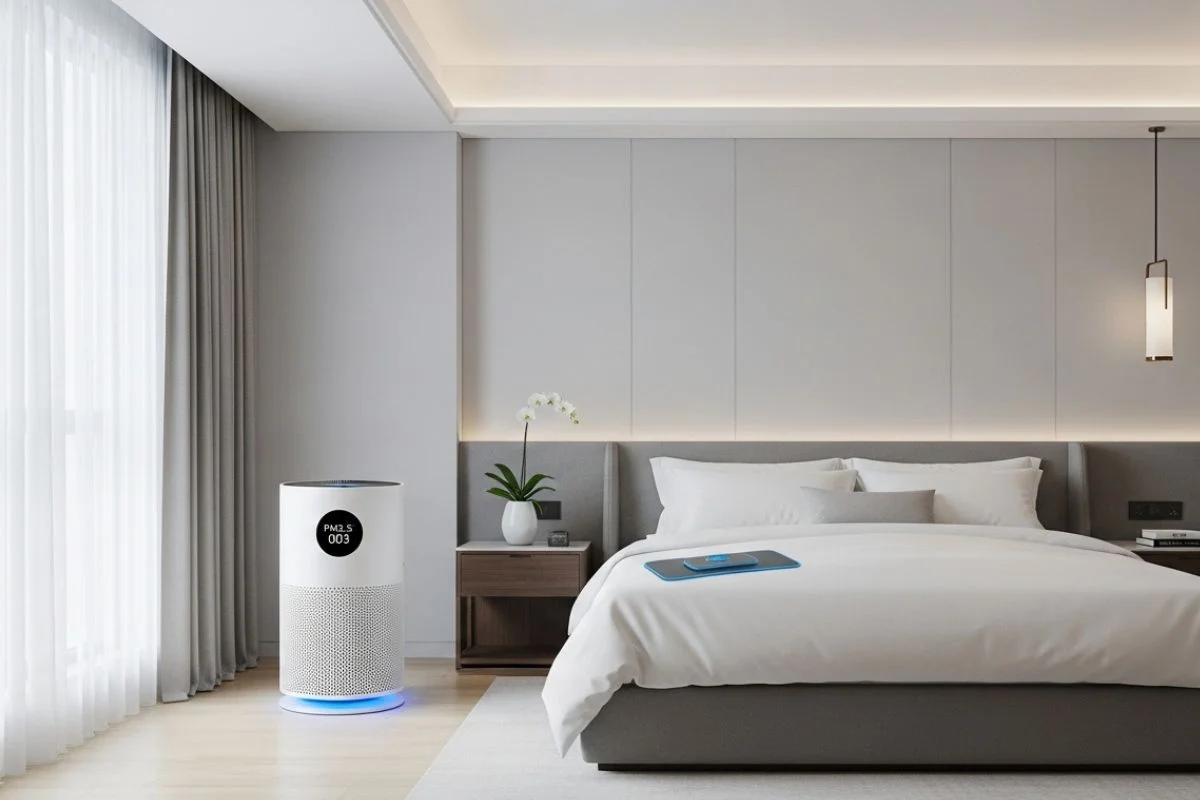
Technology of the smart house is starting to enter the area of health and wellness as well. Smart air purifiers, sleep devices, and connected fitness machines are the types of devices that assist individuals in living healthier lifestyles.
As an example, smart air quality sensors can measure the air pollutants or allergens and turn on air purifiers when necessary. This aids in the establishment of a healthier indoor environment, particularly for those allergic to those with respiratory illnesses.
Another area that is developing is sleep technology. Smart mattresses and sleep monitoring devices study sleeping patterns and give suggestions on how to get more rest. By sleeping well and having clean air, one can enjoy better physical and mental health.
5. Elderly and Disabled Individuals Support
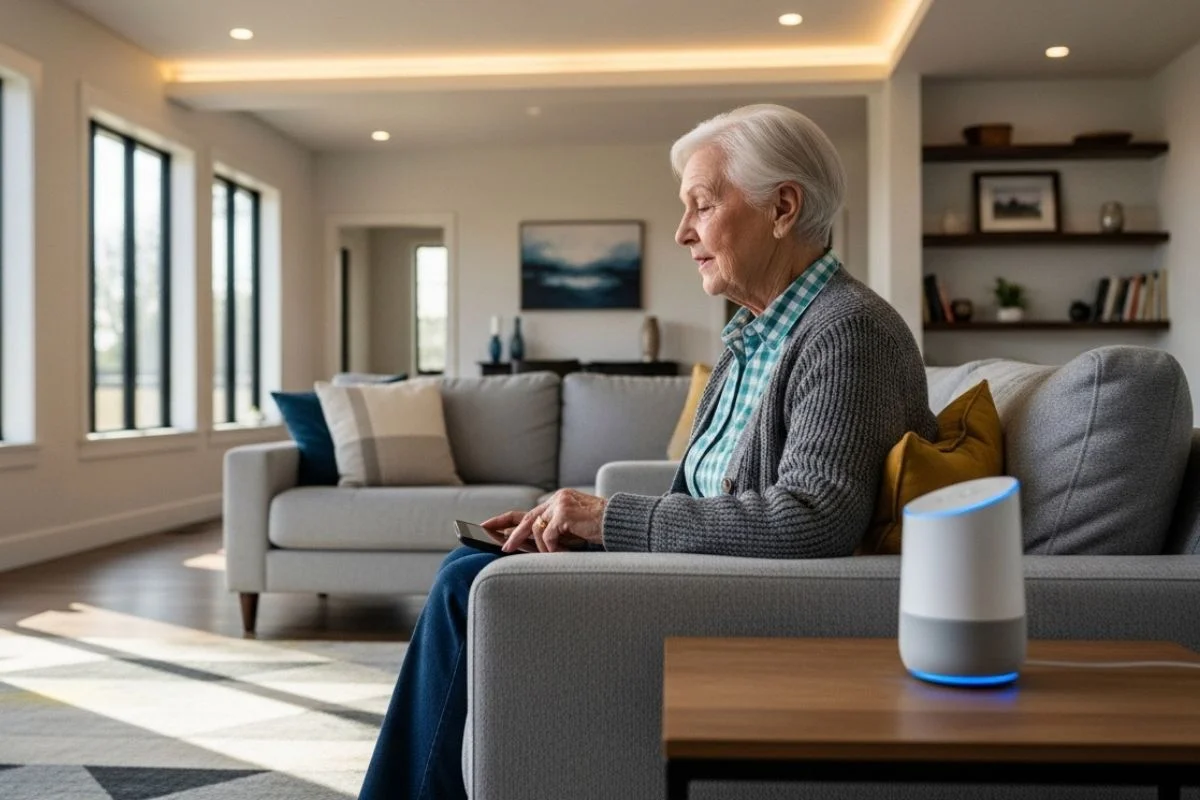
The elderly and people with disabilities can have their lives improved significantly by the smart home technology. Automation and remote monitoring systems will help such people live safer and more independently at home.
Voice activated devices allow people with mobility problems to control the lights, appliances and entertainment systems without necessarily having to move their bodies. Emergency alert systems will also inform the family members or caregivers in case of a fall or health issue.
Moreover, the use of smart medication reminders makes people take their medication at the right time. Not only does it offer the user independence, but it also brings family peace.
6. Smarter Home Management
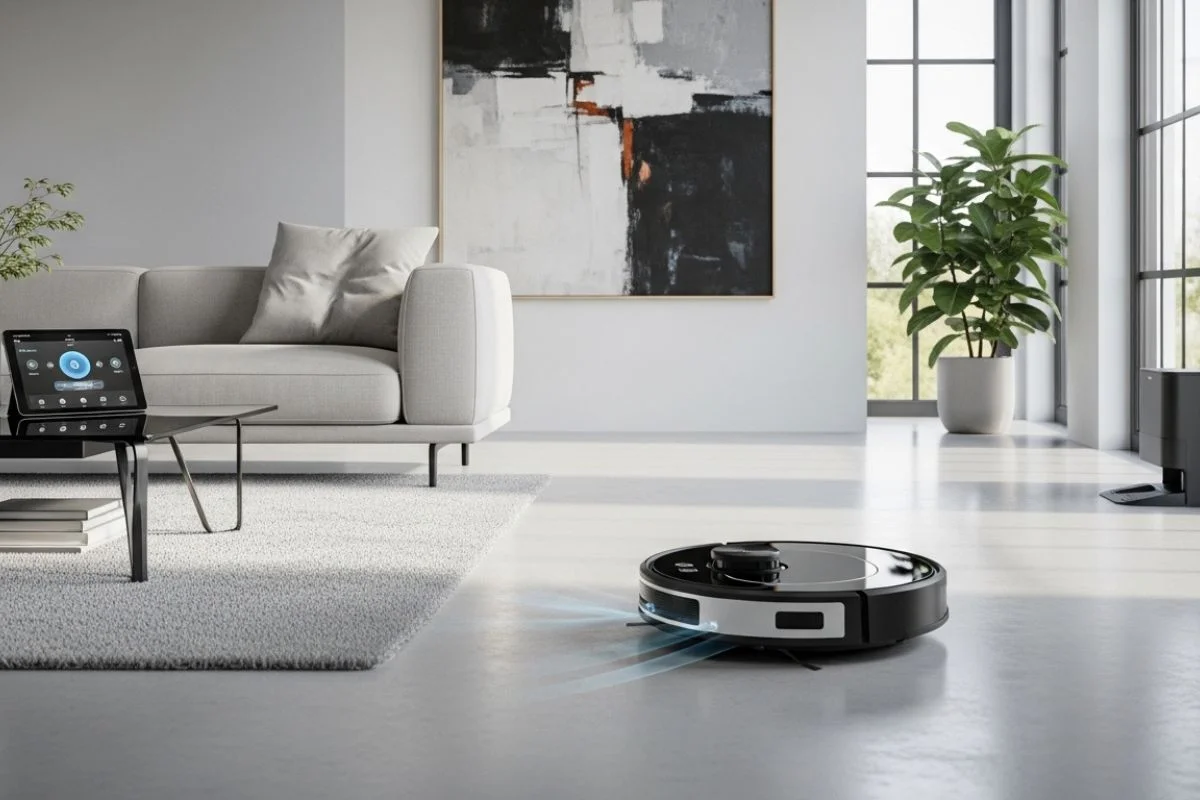
The tasks of maintaining the home, cleaning, and arranging schedules are numerous. Smart home systems automate and digitize these burdens to make them easy.
One such instance is that an automated robotic vacuum cleaner has the capability of cleaning the floors according to an underlying program. Smart fridges can monitor the food supplies and even give the shopping lists. There are also modern systems that can detect the water leakage, electricity issues or dysfunction of the appliances before they transform into a major one.
Innovative ceiling designs like black basement ceiling ideas are also included in the architectural features of the modern homes which incorporate the use of intelligent lighting systems.
The daily routines can be automated to monitor the operations of a house and individuals can spend higher time on work, family and recreation in smart homes.
Challenges and Concerns
There are various challenges that the smart home technology may pose despite its numerous benefits. One of the most significant issues is privacy and data protection. Given that smart devices are able to gather and send data, the vulnerability is that personal information may be exposed in case systems are not well secured.
Also, there might be a problem of technology overreliance once the systems fail or lack internet connectivity. These challenges will need to be tackled in order to make smart homes an acceptable concept.
Conclusion
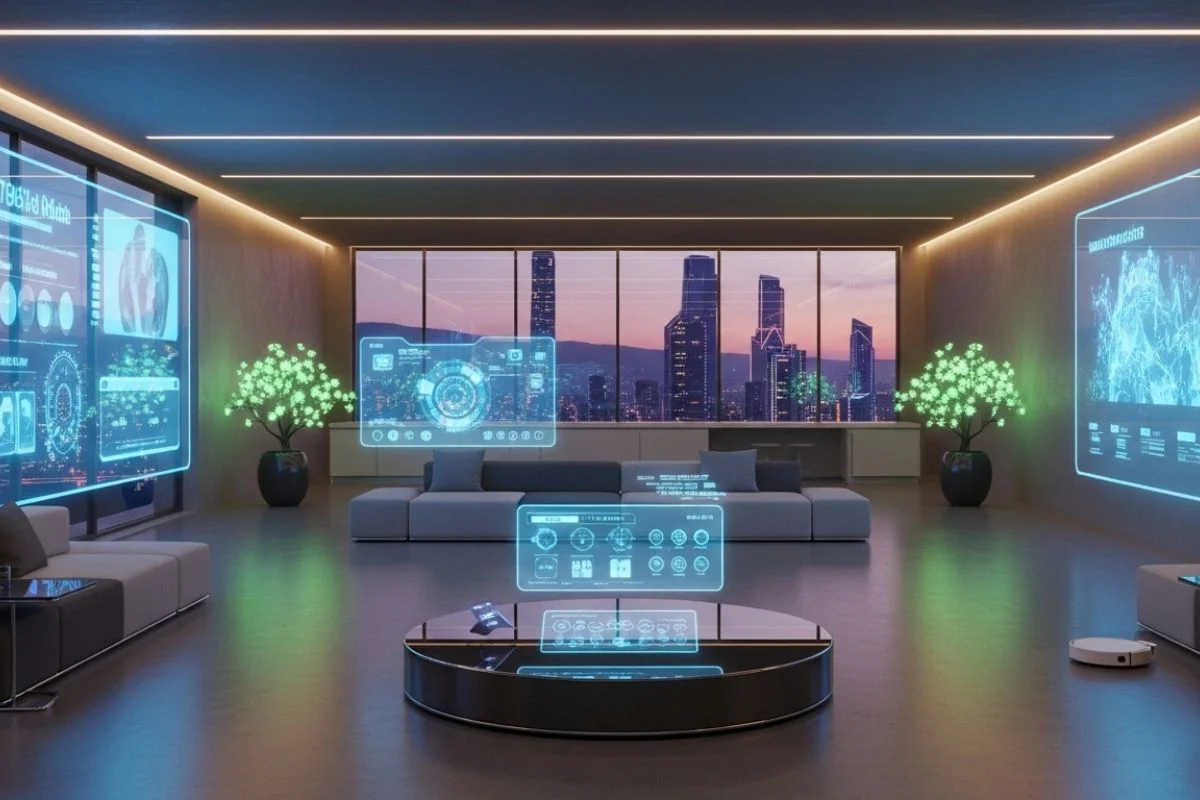
Smart home technology is changing the modern life by turning the homes comfortable, secure, efficient, and sensitive to the human needs. Smart homes have many advantages with automated lighting and climate control, advanced security systems, and health monitoring equipment that make life easier on a daily basis.
With the further development of technologies, homes are going to be smarter and combined with other spheres of life. Despite the existing challenges, including privacy concerns and costs, the potential of the smart home technology in general is still enormous. It is true that in the future, smart homes will not only be comfortable, but also help to maintain healthier, safer, and more sustainable lifestyles of people worldwide.
Frequently Asked Questions (FAQs)
1. What is smart home technology?
Ans: Smart home technology refers to devices and systems connected through the internet that allow homeowners to control and automate various household functions such as lighting, security, temperature, and appliances.
2. How do smart homes improve security?
Ans: Smart homes use security cameras, motion sensors, smart locks, and video doorbells to monitor property and send real-time alerts to homeowners through mobile apps.
3. Are smart homes energy efficient?
Ans: Yes, smart devices like thermostats and lighting systems help reduce energy consumption by automatically adjusting settings based on user behavior and occupancy.