
Here’s a question that comes up constantly, in comment sections, in conversations, in search bars ; does Elon Musk actually own Tesla?
It seems like it should have a simple answer. And in a way, it does. But the fuller picture of who owns Tesla, how the company actually makes its money, and why its business model is genuinely unlike anything the car industry has produced before is a lot more interesting than a yes or no.
So let’s get into it properly.
First Things First: Who Actually Owns Tesla?

Tesla is a publicly traded company. It trades on the NASDAQ under the ticker TSLA, and like any publicly traded company, it’s owned by its shareholders. That means anyone who owns Tesla stock owns a slice of the company. A pension fund in Norway. A retired teacher in Ohio with a brokerage account. A hedge fund in Singapore. All shareholders. All technically owners.
This isn’t a quirk of Tesla, it’s how most of the world’s largest companies work. Ownership is distributed, not concentrated.
So Where Does Elon Musk Fit In?
Musk is Tesla’s CEO and its largest individual shareholder. That gives him enormous influence. When he speaks, markets move sometimes by billions of dollars in a single afternoon. But he doesn’t own the company outright, and he doesn’t have unchecked control over it.
There’s also a detail that surprises a lot of people: Musk didn’t find Tesla. The company was started in 2003 by Martin Eberhard and Marc Tarpenning. Musk came on board in 2004 as the lead investor in Tesla’s Series A funding round, became chairman of the board, and eventually took over as CEO in 2008 during a period when the company was genuinely close to collapse. What he built from that point forward is a different story but the “Elon Musk founded Tesla” version that gets repeated everywhere isn’t accurate.
Tesla’s Ownership: Who’s Actually Holding the Shares
Tesla’s shareholder base breaks down into a few distinct groups, and understanding who they are matters.
Institutional investors hold the largest chunk. We’re talking about Vanguard Group, BlackRock, State Street, the enormous financial firms that manage money on behalf of pension funds, retirement accounts, and millions of ordinary investors. According to data tracked by Macrotrends, institutional investors collectively hold the majority of Tesla’s outstanding shares. So in a very real sense, a portion of Tesla is sitting inside the retirement accounts of people who’ve never once thought about buying a Tesla car.
Retail investors, everyday individuals who’ve bought shares through platforms like Fidelity, Robinhood, or their own brokerage accounts make up a significant and unusually passionate slice of Tesla’s ownership. Tesla has one of the most loyal and vocal retail shareholder bases of any company in the world. Part cultural phenomenon, part genuine conviction in the company’s long-term trajectory.
Company insiders, executives, board members, early employees hold meaningful stakes too. This isn’t unusual, but it matters because it aligns the people making decisions with the people bearing the consequences of those decisions. When the leadership team’s personal wealth is tied to the share price, they tend to think longer-term.
And then there’s Musk himself, in his own category. His exact stake has shifted over the years through stock sales and compensation packages, but he remains the single most influential individual shareholder and the person around whom Tesla’s entire public identity orbits.
The Tesla Business Model: And Why It’s Not Really a Car Company
This is the part that gets genuinely interesting.
Call Tesla a car company and you’ll get pushback from people who follow it closely and they’re not entirely wrong to push back. Tesla looks like a car company on the surface. It makes vehicles, sells them, delivers them. But the way it actually operates, generates value, and thinks about its future is much closer to a technology platform business than anything Detroit ever built.
Here’s how the money actually works.
Electric Vehicle Sales: Still the Core

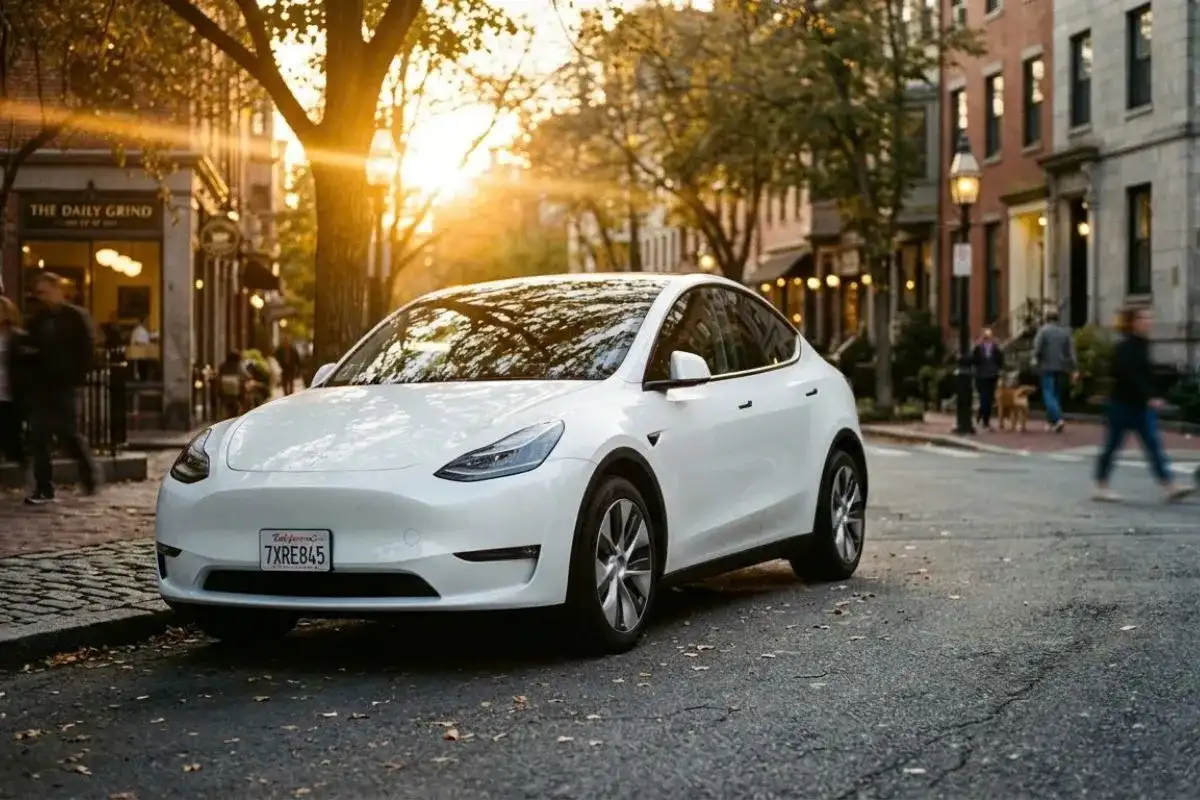
The biggest part of Tesla’s revenue comes from selling cars. The Model 3 and Model Y are the volume drivers of the products designed to reach a genuinely mass market, not just early adopters with deep pockets. The Model S and Model X sit at the premium end. The Cybertruck, love it or hate it, is in a category of its own.
But here’s what makes Tesla’s cars different from every other car on the market: they’re software platforms. A Tesla you buy today will have meaningfully different, often better capabilities in two years, through over-the-air software updates that arrive the same way your phone gets updated. No dealership visit. No paying for an upgrade. The car just improves.
That’s a completely different value proposition from anything a traditional manufacturer offers, and it’s one reason Tesla’s customer satisfaction and loyalty numbers consistently come back strong. The full financial picture is published quarterly at Tesla’s Investor Relations page worth a look if you want the raw numbers.
No Dealerships and That’s a Bigger Deal Than It Sounds
Tesla doesn’t sell through independent dealerships. It sells directly to consumers through its website, its own retail stores, and its service centres.
This sounds like a minor operational detail. It isn’t. The traditional dealership model puts an intermediary between the manufacturer and the customer. Pricing becomes inconsistent. The brand experience varies wildly depending on which lot you walk into. The manufacturer loses the relationship entirely once the sale is made.
Tesla cuts all of that out. You buy from Tesla. You deal with Tesla. The price is the price of no negotiating, no upselling, no commission-chasing salesperson. It’s the same philosophy you see in how the world’s top luxury brands operate their own flagship stores rather than wholesaling through third parties. Control the environment, control the experience, protect the brand.
Energy: The Business Most People Underestimate
Tesla’s energy division doesn’t get nearly the attention it deserves in most business coverage. That’s probably a mistake.
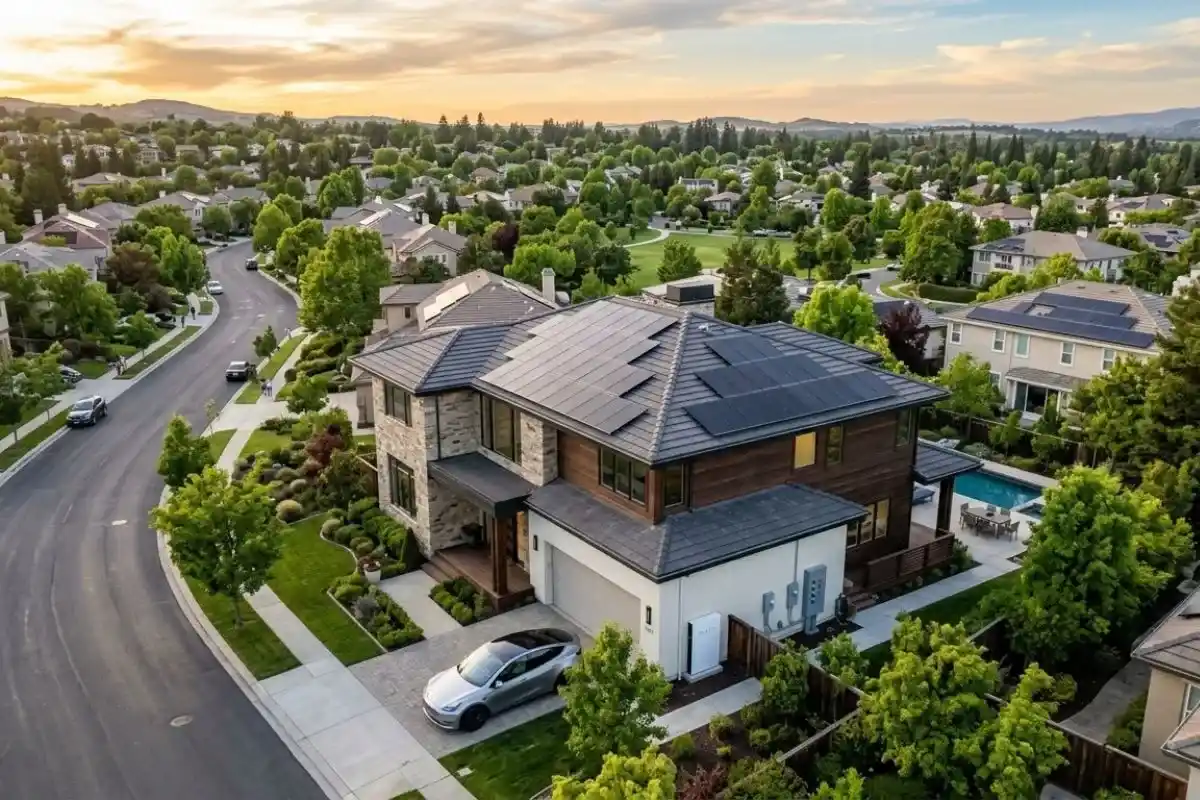
The division sells solar panels, solar roof tiles, the Powerwall home battery system, and large-scale commercial energy storage under the Megapack brand. The vision behind all of it is a vertically integrated clean energy ecosystem; Tesla generates energy through solar, stores it through batteries, and delivers grid-scale storage to utilities and large facilities worldwide.
The Megapack business, in particular, is growing fast. Utilities and grid operators around the world are investing heavily in battery storage as renewable energy generation scales up, and Tesla is one of the few companies with both the technology and the manufacturing capacity to meet that demand at scale.
This energy business sits at the centre of a much broader shift, the same one driving the rise of smart home technology and the integration of energy, devices, and living infrastructure into intelligent, connected systems. Tesla isn’t just adjacent to that shift. It’s actively building the infrastructure for it.
Software and Full Self-Driving: The Long Game
This might be Tesla’s most important revenue stream over the next decade, even if it isn’t the largest today.
Tesla charges a significant premium for its Full Self-Driving software package available as a one-time purchase or a monthly subscription. As autonomous driving technology matures and regulatory frameworks catch up, this software layer has the potential to become a business in its own right. MIT Technology Review has covered the technical progress and remaining challenges in detail, and the honest answer is that the timeline remains uncertain but the direction isn’t.
The deeper point is this: Tesla has turned its vehicles into platforms that generate ongoing revenue after the sale. That’s how a tech company thinks. It’s not how Ford or Toyota or Volkswagen have ever thought. And it’s a structural advantage that compounds over time.
The Supercharger Network: Smarter Than It Looks

Tesla built its own global charging network, and for years it was exclusively available to Tesla owners. That exclusivity was itself a reason to buy a Tesla. You got access to a faster, more reliable, more widespread charging infrastructure than anything else available.
More recently, Tesla has opened the Supercharger network to non-Tesla vehicles in a growing number of markets. What was a competitive moat has become an additional revenue stream. Third-party vehicles pay charging fees, Tesla collects them, and the network that was built to support Tesla’s own customers is now generating income from competitors’ customers too. It’s a quietly brilliant move.
Regulatory Credits: Your Competitors Funding Your Business
This is the Tesla revenue stream that almost never gets mentioned in casual conversation, and it absolutely should.
Because Tesla produces only zero-emission vehicles, it generates regulatory credits certificates that traditional automakers, who still produce petrol and diesel vehicles, are legally required to purchase to meet emissions standards in certain markets. Tesla sells those credits. To its competitors. For hundreds of millions of dollars per quarter in strong periods.
Read that again: Tesla’s direct competitors, the companies trying to eat into its market share are writing cheques to Tesla as a consequence of their own emissions. It’s one of the more remarkable competitive dynamics in modern business, and it contributed significantly to Tesla’s path to profitability in its earlier years.
Vertical Integration: Building the Machine That Builds the Machine
Most car manufacturers outsource heavily. They buy components from a vast network of suppliers and assemble them into finished vehicles. Tesla’s instinct has always been to bring as much as possible in-house battery cells, electric motors, chips, software, manufacturing equipment.
This costs more upfront. It requires enormous engineering capability. But it gives Tesla something invaluable: control. Control over quality, over cost, over the pace of innovation, and over supply chain risk. When the global semiconductor shortage hit in the early 2020s and most automakers had to cut production dramatically, Tesla adapted faster than virtually anyone else because it had designed its own chips and could rewrite software to work around component constraints. That’s what vertical integration actually buys you.
Why The Model Actually Works
Tesla’s success isn’t a fluke and it isn’t purely the cult of personality around Elon Musk though his profile has undeniably helped the brand in ways that are hard to quantify.
The model works because of how its parts reinforce each other. Vehicles generate the revenue. Software generates ongoing income from those vehicles after the sale. The Supercharger network keeps customers in the ecosystem. Energy products extend the relationship beyond the car entirely. Regulatory credits fund growth in the early years. Vertical integration protects margins and pace.
Each piece makes the others stronger. That kind of compounding is what separates genuinely durable businesses from ones that just have a good product for a few years.
It’s the same principle, in a different context, that explains why the world’s most expensive homes hold their value across generations; they’re not just expensive, they’re built on foundations that compound in worth over time. And it’s why quiet luxury as a concept resonates so deeply: real quality doesn’t need to shout. It just keeps performing.
The Challenges: Because There Are Real Ones
Tesla is in a stronger position than most of its critics give it credit for, but it isn’t without genuine vulnerabilities.
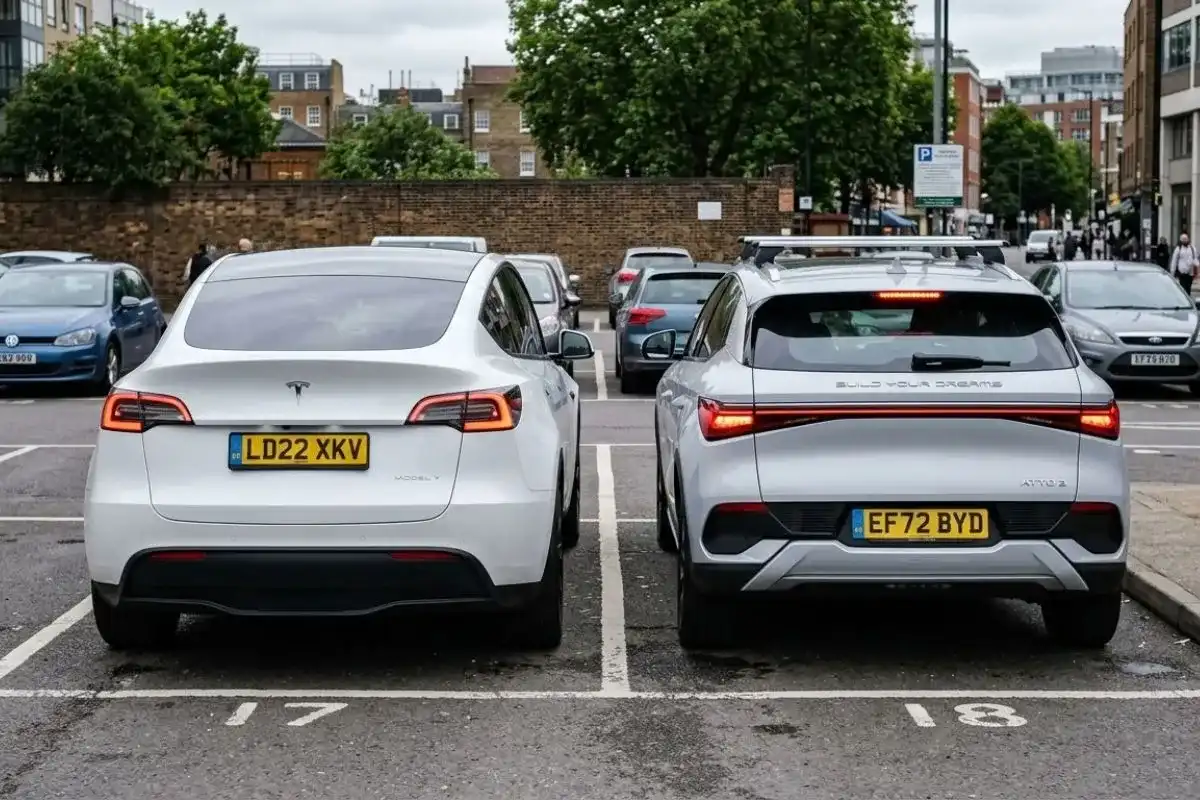
Competition is real and growing: The EV market that Tesla effectively owned alone for years is now crowded. Established manufacturers have launched serious electric vehicles, and Chinese manufacturers particularly BYD have become formidable. Reuters reported that BYD overtook Tesla as the world’s largest EV seller by volume in late 2023. That’s not a footnote. That’s a signal.
The Musk factor cuts both ways: His profile has been an extraordinary marketing asset for Tesla. It has also become a source of brand risk in certain markets, particularly in Europe and among younger buyers who are increasingly sensitive to who is behind the brands they support. Whether this has a material long-term effect on sales is genuinely debated but it’s a variable that didn’t exist five years ago.
Full Self-Driving is still a promise, not a product: The regulatory path to fully autonomous vehicles is long, jurisdiction-specific, and unpredictable. A significant portion of Tesla’s valuation is built on FSD becoming a mass-market reality. If that timeline slips and it has, multiple times that has consequences.
Margin pressure is real: Tesla has cut vehicle prices aggressively to compete as the EV market has grown more crowded. That’s gained market share but compressed profit margins. Finding the balance between volume and profitability is an ongoing challenge.
Where Tesla Goes From Here
The areas Tesla is investing in most heavily point clearly toward where it sees its future.
Robotaxis: If FSD matures to the point where Tesla vehicles can operate fully without a driver, the revenue implications are transformational. A fleet of autonomous Tesla taxis, generating income around the clock, would be a different business entirely from selling cars.
Optimus: Tesla’s humanoid robot project. If it works at scale, Musk has suggested it could ultimately be a larger business than vehicles. That’s speculative. But Tesla has a track record of making things work that most people said couldn’t.
Energy at scale: The Megapack business is growing fast, the global need for grid-scale battery storage is enormous, and Tesla is well-positioned. This could quietly become the company’s most important division.
Emerging markets: India, Southeast Asia, parts of the Middle East. Significant populations, growing middle classes, rising EV adoption. Tesla’s pricing and product range will need to adapt, but the opportunity is genuinely large.
Final Thoughts
Tesla is owned by its shareholders, a broad, global, and diverse base of investors that includes major institutions, millions of ordinary people, and yes, Elon Musk with an outsized but still minority stake.
And it makes money in more ways than most people realise through vehicles, energy, software, charging, and regulatory credits that its own competitors fund. The genius isn’t any single revenue stream. It’s the way they all connect.
Whether Tesla delivers on every promise it’s made is something only time will answer. But as a case study in how to build a modern technology business on top of a physical product, it’s one of the most instructive and genuinely fascinating stories in business today.
Frequently Asked Questions
Q1: Who owns Tesla today?
Ans: Tesla is a publicly traded company owned collectively by its shareholders, institutional investors like Vanguard and BlackRock, millions of retail investors, and company insiders including Elon Musk. No single person or entity owns it outright.
Q2: Is Tesla owned by Elon Musk?
Ans: No. Musk is the CEO and the largest individual shareholder, which gives him enormous influence but not ownership. He also didn’t found the company; that was Martin Eberhard and Marc Tarpenning in 2003.
Q3: What is Tesla’s main source of revenue?
Ans: Electric vehicle sales are the largest revenue source. But Tesla also generates meaningful income from energy products, Full Self-Driving software, Supercharger fees, and the sale of regulatory credits to other automakers.
Q4: How is Tesla different from traditional car companies?
Ans: In almost every structural way. It sells directly to consumers, treats vehicles as software platforms that improve after purchase, manufactures most of its core technology in-house, and runs a growing energy business alongside its automotive division. It operates far more like a technology company than a conventional car manufacturer.
Q5: Is Tesla profitable?
Ans: Yes, Tesla achieved its first full year of profitability in 2020. Margins have come under pressure since then due to price cuts, but the company remains profitable. Current financials are published quarterly at ir.tesla.com.