
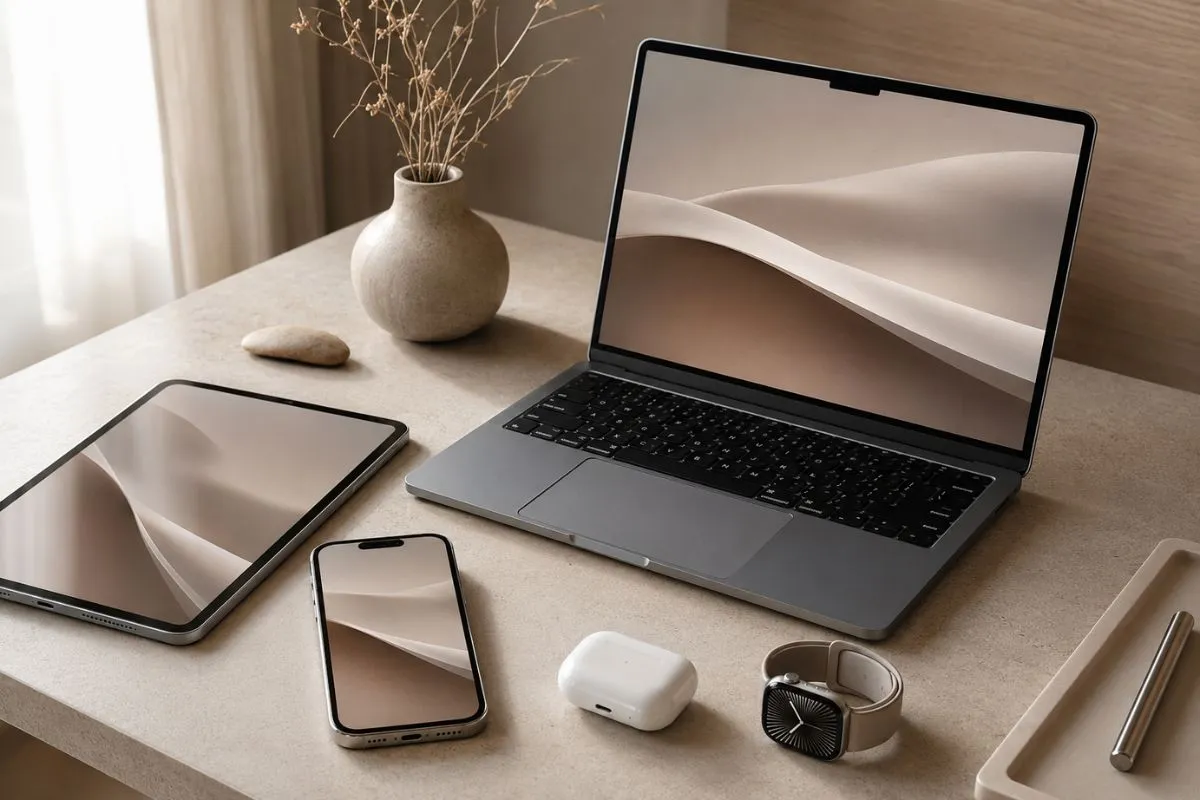
Every person in the business class cabin had the same laptop. Silver. Minimalist. That familiar logo glowing quietly on the back. Nobody pointed it out. Nobody needed to.
That brand perception is part of why Apple reached a reported brand value of $607.6 billion in 2026. And it raises a question that genuinely divides people: is Apple actually a luxury brand or has it simply convinced the world it is?
The answer, it turns out, is more interesting than either side admits. After examining Apple’s pricing strategy, its brand value, and how it stacks up against the top luxury brands in the world, one thing becomes clear. Apple has not joined the luxury category. It has invented its own.
Technically No. Practically, Absolutely
Traditional luxury brands Hermès, Rolex, Cartier are built on three things: scarcity, craftsmanship, and prices that exclude most of the planet by design. Apple does none of this. It sells hundreds of millions of devices every year. Its products are manufactured at industrial scale. An iPhone Pro costs considerably less than a Rolex Submariner.
And yet.
Apple is the world’s most valuable brand in 2026 $607.6 billion according to Brand Finance’s Global 500 report. Interbrand ranked it first for the twelfth consecutive year. Kantar’s BrandZ agreed, for the fourth year running. Three independent methodologies. Three identical answers.
That is not the profile of a commodity brand. Not even the profile of a premium brand. This is something that has transcended category entirely.
Brand analysts now call it accessible luxury. Above the mass market. Below ultra-luxury. And more culturally powerful than almost anything in either category.
Why Apple Products Are So Expensive

Here is what most people get wrong about Apple’s pricing. The components are not the point.
Android competitors offer comparable, sometimes superior hardware specifications for significantly less money. A $400 Android flagship can outperform an iPhone on raw benchmarks. Apple knows this. And yet, it does not care.
The Phone Is the Entry Ticket
What Apple sells is not a device. It sells membership to the most seamlessly connected digital ecosystem ever built. An iPhone pairs with an Apple Watch. That syncs with an iPad. Which connects to a MacBook. Which shares the same iCloud library, message history, and notification stack as every other device you own. AirPods switch between them automatically.
The deeper you go into the ecosystem, the harder it becomes to leave. In other words, you are not paying for a phone.
The Store Is Part of the Product
According to Forbes, Apple retail stores generate more revenue per square foot than virtually any other retailer on earth. That includes most luxury fashion boutiques on the Place Vendôme. Every element of the store experience, the layout, the light, the way products are displayed without price tags at eye level, is designed to make you feel like what you are holding is worth more than it costs.
That feeling is the product. The phone is just how it gets delivered.
The Price Is the Message
Apple almost never discounts. In fact, the iPhone you buy on launch day costs the same six months later. This is not a coincidence. When a product is always discounted, the discount becomes the real price. Apple understands this more clearly than almost any company alive.
The premium price is not just a revenue decision. It is a brand decision. Paying more for Apple signals that you can afford to. In a culture obsessed with quiet signals of success, that matters enormously.
Apple’s Premium Pricing Strategy: The Three Moves Nobody Talks About
Move One: The Anchor Effect
The iPhone Pro Max exists partly to make everything below it feel reasonable. When a $1,199 phone sits at the top of the range, a $799 model feels like the sensible choice. This is luxury anchoring borrowed directly from the watch and fashion industries. Patek Philippe does it. Chanel does it. Now Apple does it with 2.2 billion active devices.
Move Two: Never Compete on Price
Apple has never entered a price war. Furthermore, it has never responded to a cheaper competitor by cutting costs. Never positioned a product as the affordable option. This single discipline maintained for decades is worth more to the brand than any marketing campaign. It is the reason Apple can charge what it charges and have people defend that price to strangers on the internet.
Move Three: Control Everything
Apple sells through its own stores and website wherever possible. It controls the presentation, the pricing, the experience, and the narrative. Rolex does the same thing through authorised dealers. Hermès does it through boutiques. Controlled distribution is not just a sales strategy. It is how premium brands protect the story they tell about themselves.
What $607 Billion Actually Means
Apple’s brand value grew 6% to $607.6 billion in 2026 outpacing global economic growth of 3.2% during the same period. That figure is larger than the GDP of most countries.
Three things drive it consistently:
- Hardware loyalty keeps existing customers inside the ecosystem. Additionally, services revenue generates recurring income.
- Services revenue the App Store, iCloud, Apple Music, Apple Pay generates recurring income that is increasingly important to Apple’s financial picture.
- Cultural positioning does the rest. Apple products appear in luxury hotels, business class cabins, and aspirational content across every platform. That omnipresence is not paid advertising. It is gravity.
Why People Actually Choose Apple
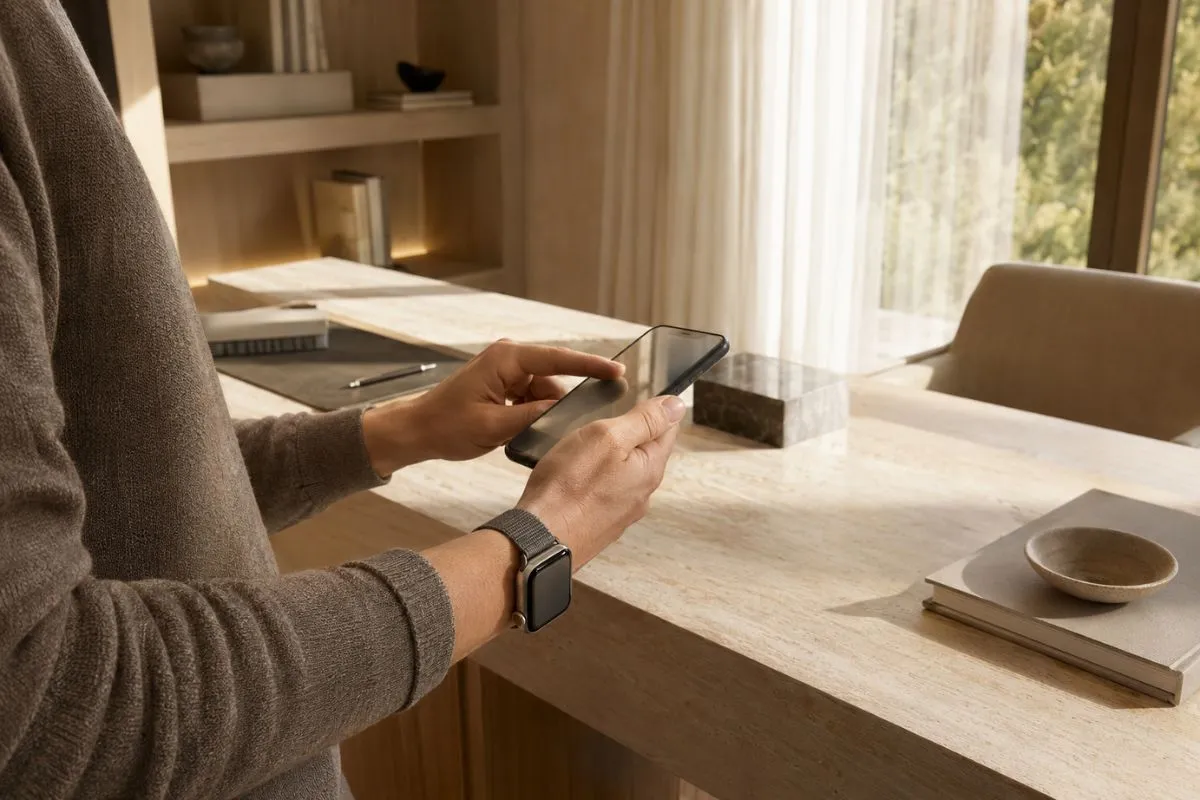
The functional case is straightforward. For example, build quality, software integration, camera performance and security all justify the premium price.
But the more interesting question is why people choose Apple when a functionally comparable option exists for less money.
It Tells a Story About You
Brands are identity vehicles. Apple has spent decades positioning itself as the brand of creative, educated, forward-thinking people. The 1984 ad. Think Different. The white earbuds that signalled you were someone before anyone knew what an iPod was. Every product launch, every campaign, every design decision has reinforced one consistent message: this is the brand for people who care about quality. Buying an iPhone is, for many people, a statement about who they are.
The Bubble Nobody Mentions
In the United States, the iMessage blue bubble versus green bubble distinction has become a genuine social dynamic.Apple never designed it this way. However, it benefits from it completely.
When social belonging is attached to a product, price sensitivity drops. Apple gets this force of nature for free.
The Quiet Luxury Connection
There is a reason Apple appears constantly in quiet luxury fashion style content. Clean lines. Restrained design. No visible branding screaming for attention. Apple’s aesthetic philosophy aligns almost perfectly with the quiet luxury movement. An iPhone on a marble desk next to a cashmere throw is not accidental. It is Apple’s design language doing exactly what it was built to do.
Apple vs Traditional Luxury: The Honest Comparison

| Factor | Apple | Traditional Luxury |
|---|---|---|
| Price accessibility | Medium-high | Extremely high |
| Production scale | Mass market | Limited / handcrafted |
| Status signal | Very strong | Strongest |
| Scarcity | Low | Very high |
| Brand loyalty | Extremely high | Extremely high |
| Resale value | Good | Excellent |
| Cultural cachet | Global | Global |
Apple wins on accessibility and scale. On the other hand, traditional luxury wins on scarcity and resale value. On the factors that drive daily consumer decisions: status signal, loyalty, cultural weight Apple competes directly with houses that have existed for over a century.
The parallel with Tesla is striking. Tesla applied the same playbook controlled distribution, aspirational positioning, ecosystem thinking to turn an electric car into a status object. Different industries. Same psychology. Same result.
What Apple’s Next Move Tells Us About Its Luxury Ambitions
Apple has never publicly called itself a luxury brand. It does not need to. Its actions say it clearly enough.
The Apple Vision Pro Changes the Conversation
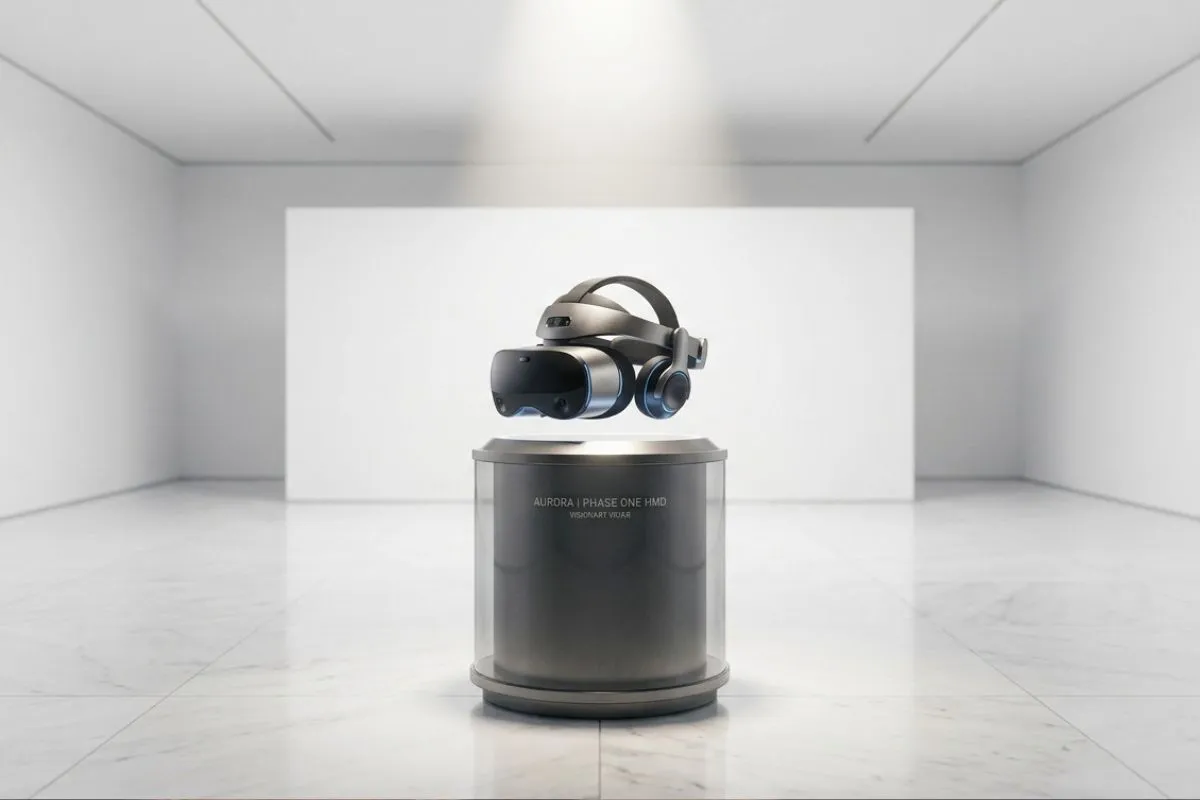
In 2024 Apple launched the Vision Pro at $3,499. Not $349. Not $999. $3,499 a price point that immediately positioned it outside the mass market and squarely inside premium territory. The device was not designed to sell in iPhone numbers. It was designed to establish Apple at the top of a category that does not yet fully exist.
That is exactly what luxury brands do when they launch an ultra-premium product. They are not chasing volume. They are building perception.
The Hermès Collaboration Speaks Volumes

Apple and Hermès have collaborated on Apple Watch bands and watch faces since 2015. Hermès, the house that invented the Birkin bag, which has a multi-year waiting list for its most coveted pieces, chose Apple as its technology partner. Hermès does not partner with brands beneath its level. The collaboration is a statement about where Apple sits in the cultural hierarchy of premium brands.
Services Are the Luxury Play Nobody Notices
Apple’s growing focus on services Apple TV+, Apple Music, iCloud+, Apple One follows a classic luxury model. Luxury is not just about products. It is about a world you belong to. A lifestyle you inhabit. Apple is quietly building exactly that. Every service it adds makes the ecosystem richer, more personal and harder to leave.
Where Apple Goes Next
The direction is unmistakable. In fact, higher price points, more exclusive collaborations and deeper services all point the same way. More exclusive collaborations. Services that deepen loyalty rather than chase new customers. Apple is moving upmarket deliberately, carefully, and with the patience of a brand that has never needed to rush. It is not trying to become the next Rolex. It is trying to become something Rolex could never be: a luxury world that fits in your pocket and follows you everywhere.
Final Thoughts
Apple is not a luxury brand in the way Rolex or Louis Vuitton is a luxury brand.
And it does not need to be.
In fact, something far more difficult has been accomplished here. A product that billions of people can afford now feels genuinely aspirational. Status was created without scarcity. Desirability without exclusivity. Premium perception at a scale that no traditional luxury house has ever attempted.
Desirability without exclusivity. Premium perception at a scale that no traditional luxury house has ever attempted.
That is not luxury as we have always defined it. It is something new. And it is worth as it turns out $607.6 billion.
Frequently Asked Questions
Q1:Is Apple a luxury brand?
Apple is not a traditional luxury brand in the Hermès or Rolex sense; it does not rely on scarcity or extreme price points to create exclusivity. However it functions like a luxury brand in terms of cultural positioning, status signaling and premium pricing strategy. Most brand analysts place Apple in a category called accessible luxury above mass market, below ultra-luxury, and more culturally powerful than either.
Q2:Why are Apple products so expensive?
Apple products carry a premium price for several connected reasons. The ecosystem integration between devices creates genuine value competitors cannot easily replicate. Apple controls the entire product experience from design to retail to software. The brand carries significant cultural status that has real social value. And Apple almost never discounts a deliberate strategy to protect brand perception and signal premium positioning permanently.
Q3:What is Apple’s brand value in 2026?
Apple’s brand value in 2026 is estimated at $607.6 billion according to Brand Finance’s Global 500 report making it the world’s most valuable brand for the third consecutive year. This represents a 6% increase from its previous value of $574.5 billion and outpaced global economic growth during the same period.
Q4:Is the iPhone a status symbol?
Yes in many markets and social contexts the iPhone functions as a clear status symbol. This is most visible in the United States where iMessage blue versus green bubbles carry genuine social weight. In luxury lifestyle contexts globally, the Apple aesthetic clean, restrained, quietly premium has become strongly associated with aspirational living and the quiet luxury movement.
Q5:Why do people choose Apple over cheaper alternatives?
People choose Apple for functional and social reasons simultaneously. Functionally ecosystem integration, build quality and reliability justify the premium for many users. Socially Apple ownership signals taste, identity and belonging to an aspirational world. Both motivations are real. Both operate at the same time. Apple is one of the few brands that has successfully engineered both.